Hokonui Rūnanga Register
  • About us
    • Who we are
    • Murihiku Regeneration
    • Property assets
    • Find us
    • Job vacancies
  • Our history
    • Our whakapapa - a deep connection to this place
    • Wai and Whakapapa
    • The Battle of Waitaramea
    • Poupoutunoa and Kauwaewhakatoro
    • Two Rivers: Mataura (Mata Ura) and Clutha (Mata Au)
  • Events & key dates
    • He Ao Hou - New Futures Murihiku Teacher PD Day
    • Energy and Innovation Wānanga 2024
    • Energy and Innovation Expo 2023
    • Science and Innovation Wānanga 2021
    • Energy, Infrastructure and Opportunities Wānanga 2026
  • Education & training
    • Education - Hokonui Rohe Team
    • Te Ara Aukati Kore - Education, Training, and Capability
    • Have your say!
  • Environment
    • Kaupapa Taiao - Hokonui Floriculture
    • Taonga Research
    • Southern Ocean - Murihiku ki te Tonga
    • Energy Transition Programme
    • Te Tapu o Tāne
    • Our Kaimahi - Staff
  • Health & wellbeing
    • Whānau Ora Navigators
    • Community youth worker and advocacy service
    • Hokonui Community-Led Health
    • Kaumatua Health Days
    • Te Kakano - Nurse-led Clinics
    • Our Kaimahi - Staff
    • Hokonui Takiwā Health and Wellbeing Village of Support
    • Referral form
    • COVID-19
  • News
    • Pānui updates
    • Photos
  • Contact us
    • Register
  1. Home
  2. News

News

Murihiku Regeneration continues to explore renewable energy projects while Southern Green Hydrogen is put on hold

Meridian Energy has advised that the Southern Green Hydrogen (SGH) project has been put on hold until market conditions improve, and their partnership with Woodside Energy has ceased.

Murihiku Regeneration has confirmed that while commercial discussions between project participants have now ceased, it would be continuing to explore Murihiku-Southland based renewable energy projects in the community and national interest.
Southern Green Hydrogen (SGH) was initiated by Meridian Energy in 2022 as a global green hydrogen export opportunity. After running a competitive market process, Woodside Energy was selected and appointed as a joint developer of the project, alongside Mitsui & Co, who would participate as the global market offtake expert. Hokonui Rūnanga (representing Ngāi Tahu) was invited to be a partner in the project at the point of a final investment decision.

Mr Terry Nicholas, confirms that“ while SGH has been put on hold, Murihiku Regeneration will continue to actively explore other renewable energy projects in the Murihiku-Southland region on behalf of Hokonui Rūnanga, Ngāi Tahu, and the wider community.

“We remain fully committed to exploring future renewable energy project opportunities, including the role that green hydrogen can and will likely play in Murihiku-Southland, and in New Zealand in the coming years.”

“ Through our involvement with the SGH Project, we have learned a lot about global renewable energy markets. We have also established very good working relationships with participants, which has been a significant indirect benefit from the project. We will be carrying this forward for future initiatives.”

“We are continuing discussions with Woodside Energy and Mitsui & Co, along with other parties to investigate future project opportunities. We remain confident that future project opportunities will be identified and activated as market conditions allow,” confirmed Terry Nicholas.

Murihiku Regeneration is hosting its annual Energy, Oceans, and Innovation Conference (Wānanga) on 26 -27 November in Invercargill to share updates on future energy projects and opportunities.

For more information please look at the Stuff article ‘Meridian pushes pause on Southern Green Hydrogen’

Posted: 28 August 2024
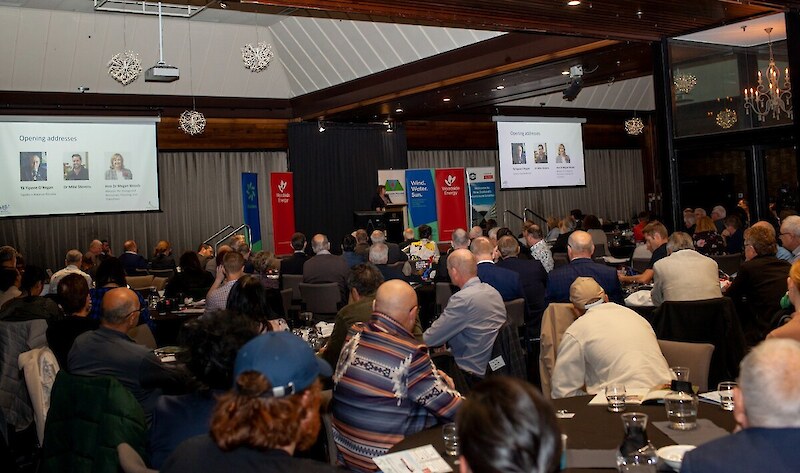
Murihiku Wānanga Energy, Oceans and Innovation Confirmed for 26-27 November 2024

As a result of the 31 May Tiwai decision confirming a 20 year power price deal for the Smelter, Terry Nicholas and Ta Tipene O’Regan have now confirmed and locked in the dates for the 2024 Murihiku Regeneration Wānanga event for 26-17 November, 2024 to be held in Invercargill, New Zealand. Its focus will be around the understanding the implications and opportunities for the Southland region of the Smelter remaining, looking at regional development opportunities and needs.

“The 2024 Wānanga will be the fourth event we have run on behalf of the region, to promote opportunities for leaders, developers, Iwi, stakeholders and the community to look at regional development.”

“Last year we had over 300 people attending each of the two days of the conference, with a targeted educational workshop the day before. By every measure, it was a high success and brought together a diverse and capable group of people to look at developing regional priorities”.Megan Woods on Energy transition, Just Transitions and Government policyMegan Woods on Energy transition, Just Transitions and Government policy

“Now that we have some certainty around Tiwai Smelter, we now need to look at what comes next, and how we leverage from that decision. “

“This year, we will be looking at the perspectives of an energy transition, the Oceans opportunity, innovation and future workforce needs”,

“We are very proud to confirm key sponsorship from the likes of Rio Tinto, New Zealand Aluminium Smelter, Woodside Energy, Contact Energy, and Westpac Bank,” confirmed Terry Nicholas, Portfolio Director for Murihiku Regeneration.

About the event:

  • The Murihiku Regeneration Wānanga will be held at Ascot Park Conference Centre over two days on Tuesday 26th and Wednesday 27th of November.
  • Day One will focus on national and key priorities and Day Two will look at regional development opportunities across the key domains of energy, oceans, innovation, and education.
  • The Murihiku Regeneration Wānanga is a by invitation event. For those wishing to attend, sponsor or seek further information – please contact us.
  • As in previous years, the Wānanga event will be live streamed and recorded for easy access.

Posted: 27 August 2024

Kia Tū Trades Training Pathway Programme starts in collaboration with SIT

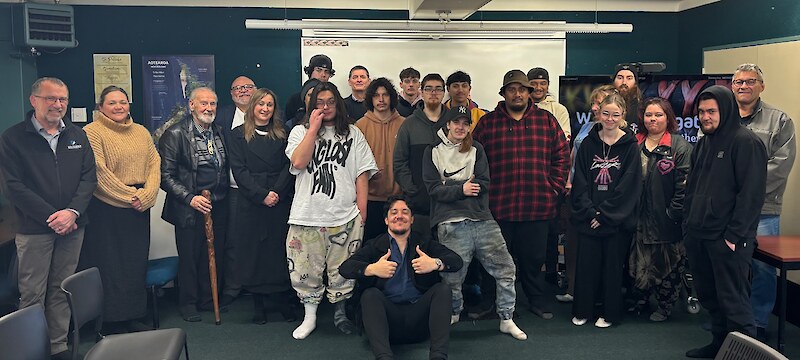
On the 6th August 2024 we welcomed the first cohort of participants in the Kia Tū Trade Training Pathway Programme. This programme is a part of our ongoing work with the Southern Institute of Technology (SIT) to ensure that whānau build the capability needed to take up current and future opportunities in our region.

We started the morning with a pōwhiri for participants and whānau. It was an opportunity to come together and celebrate the start of this initiative. Acting CE for SIT, Daryl Haggerty commented on the importance of the programme and a new way of working for SIT.

Ivan Hodgetts, Programme Lead for Murihiku Regeneration said that “yesterday was the culmination of a several years’ work to develop the Kia Tū micro-credential and build a solid foundation for success. We are looking forward to hearing about participants’ aspirations for life and work and supporting them to turn those dreams into reality.”

This is an 8 week course, where participants get to experience a broad range of trade and industry pathways. They then decide on their chosen path and are supported to transition into employment and further training.

The next intake begins in October 2024, and there will be further intakes in 2025. Find out more about the Kia Tū trade training pathway programme on our website or visit the SIT website for course details.

Thanks to our sponsors for supporting this programme (see below).

Look out for updates on participants’ success!

Contact Abby for more details and find out how to enrol: [Enable JavaScript to view protected content]

Posted: 7 August 2024

First Anniversary of Murihiku ki Te Tonga, the World’s First Indigenous-Led Antarctic Programme

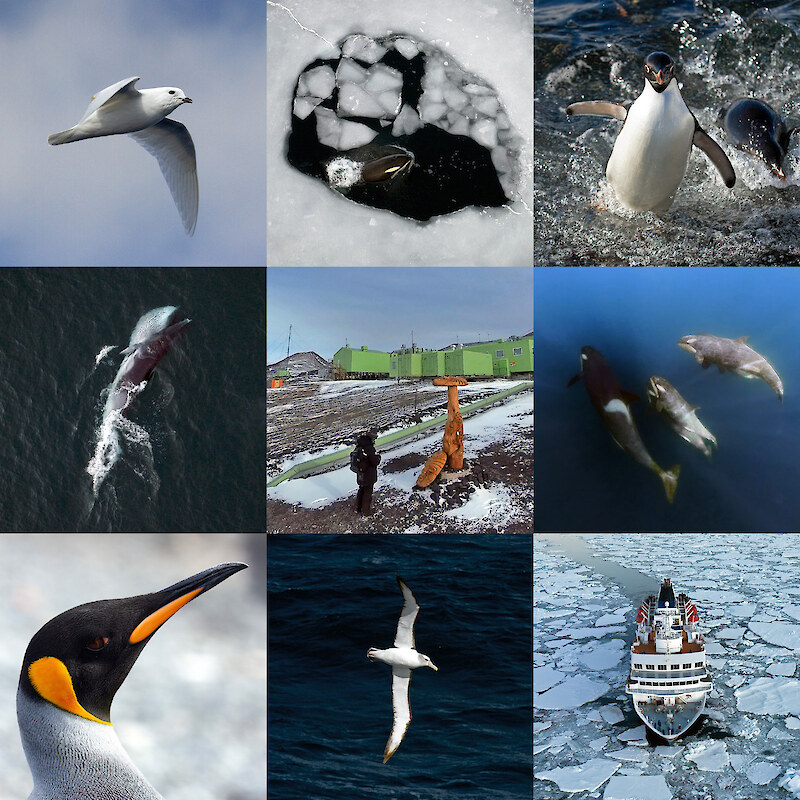
Exactly one year ago, on 03 August 2023, the Murihiku ki Te Tonga had its official launch at the XIII SCAR Biology Conference, in Ōtautahi-Christchurch. So much has happened since then! Our team has completed two more expeditions to the Ross Sea region in partnership with Heritage Expeditions as well as Colin Aitchison at Skyworks UAS and Anthony ‘Antz’ Powell of Antzworks. We completed a detailed survey of a key archaeological site on Enderby Island-Maungahuka, mapped penguins at Cape Adare, and continued our whale research programme. Recently, we submitted our first paper to the Commission for the Conservation of Antarctic Marine Living Resources (CCAMLR) at their recent WG-EMM meeting in Leeuwarden, The Netherlands, 01-12 July 2024. A beautiful video produced by Antz and narrated by Tā Tipene O’Regan himself showcases our programme and sends a powerful call to help protect our unique Te Moana-tāpokopoko-a-Tāwhaki.

Our 2024 expeditions to the Ross Sea region in nine pictures. Top left clockwise: one of beautiful snow petrels that followed our ship (R. Eisert); Antarctic Type-C killer whales use a hole in the sea ice to breathe (C. Aitchison, Skyworks); Adélie penguins coming ashore at Cape Adare (R. Eisert); juvenile Antarctic killer whales (MKTT); our expedition vessel, the Heritage Adventurer, passing through the sea ice of McMurdo Sound (C. Aitchison, Skyworks); a great toroa (albatross; R. Eisert); portrait of a king penguin (R. Eisert); a pakake (minke whale) feeding on krill in the Ross Sea (C. Aitchison, Skyworks); centre: Rewi Davis paying his respects to the Pou Whenua during a visit to Scott Base, New Zealand’s Antarctic base in the Ross Sea (R. Eisert).Our 2024 expeditions to the Ross Sea region in nine pictures. Top left clockwise: one of beautiful snow petrels that followed our ship (R. Eisert); Antarctic Type-C killer whales use a hole in the sea ice to breathe (C. Aitchison, Skyworks); Adélie penguins coming ashore at Cape Adare (R. Eisert); juvenile Antarctic killer whales (MKTT); our expedition vessel, the Heritage Adventurer, passing through the sea ice of McMurdo Sound (C. Aitchison, Skyworks); a great toroa (albatross; R. Eisert); portrait of a king penguin (R. Eisert); a pakake (minke whale) feeding on krill in the Ross Sea (C. Aitchison, Skyworks); centre: Rewi Davis paying his respects to the Pou Whenua during a visit to Scott Base, New Zealand’s Antarctic base in the Ross Sea (R. Eisert).

Posted: 3 August 2024

The hydrogen revolution creating a future for Southland

Murihiku Regeneration’s He Ao Hou: New Futures Murihiku is a school-based STEAM programme, focused on green energy.

The success of our programme is being recognised nationally! Read all about it below (published in the June edition of the Ministry of Education’s Education Gazette).

We would like to thank our sponsors for their ongoing support:

Professor Sally Brooker from the University of Otago’s Chemistry School, commented that the He Honoka Hauwai team is thrilled to be partnering with Murihiku on all things hydrogen. “The students are always so readily engaged, and so enthusiastic, in learning about these future renewable fuels and careers, and this rubs off on us!”

The hydrogen revolution creating a future for Southland

By Education Gazette Editors

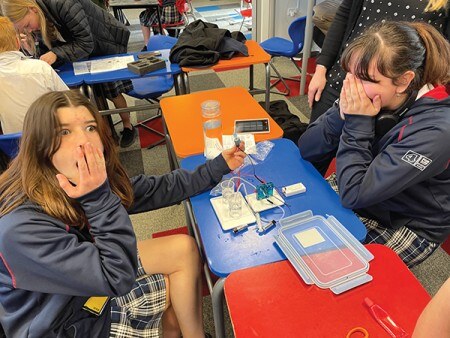
Issue: Volume 103, Number 8The hydrogen kits create enough energy from water to run a fan.The hydrogen kits create enough energy from water to run a fan.

A science programme in Southland is teaching ākonga about the power of hydrogen in an initiative developed to build the skills and expertise needed in future generations.

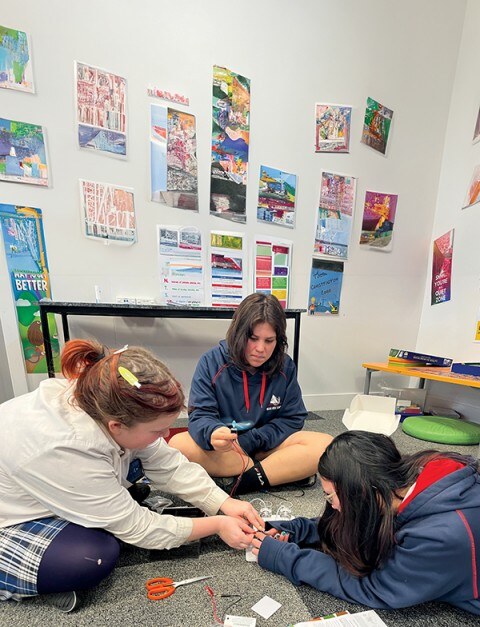
At Waiau Area School in Southland, ākonga in Years 7–10 are setting up hydrogen fuel kits. Using battery packs, they’ll create enough hydrogen from water to run a fan.

The school’s science teacher, Florence Chatelier, says the hydrogen fuel kits have helped ākonga understand the potential of renewable energy.

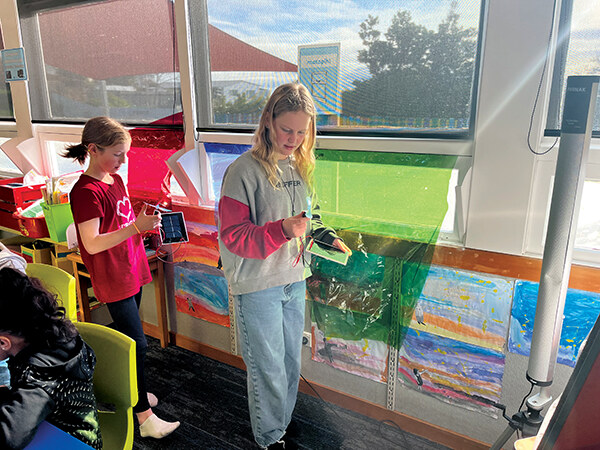
“It’s led to discussions about how to reduce climate change and the future of green energy. The kits also include coloured cellophane that lets students explore the light spectrum and compare how different colours impact the energy going from the solar panel to a fan,” says Florence.

It’s part of an outreach programme developed to teach ākonga to make hydrogen and to understand its potential as a green fuel, even using it to power toy cars.

The programme’s Dr David Warren says students constantly surprise him with their enthusiasm.

“We show them how to put the kit together themselves and they can see the hydrogen being made. Then they connect the motor up and see it move. They’re pretty astonished to know they’ve made the hydrogen themselves and they understand why it’s working and why it’s so cool. That excitement is magic to see.

“Some of the students are from farms and with that background, they think about using hydrogen in the context of a farm operation,” says David.

Skills and expertise for science industriesThe programme encourages ākonga to develop the skills and expertise for a future workforce.The programme encourages ākonga to develop the skills and expertise for a future workforce.

Otago University’s School of Chemistry’s outreach programme has been visiting schools in the South Island for a number of years, inspiring students to think about science and its role in society.

In 2022, David and a group of PhD students teamed up with Murihiku Regeneration, an initiative focused on creating jobs for Southlanders in the event the Tiwai Point aluminium smelter closes. It encourages ākonga to develop the skills and expertise to become part of the workforce for those industries.

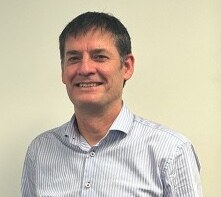
Together they have taken the hydrogen programme to 25 of Southland’s 63 primary schools.Ivan Hodgetts is a leading careers expert, and the driving force behind the project.Ivan Hodgetts is a leading careers expert, and the driving force behind the project.

Murihiku Regeneration is led by Ivan Hodgetts, who says the initiative is a deliberate attempt to disrupt the intergenerational assumptions tamariki and rangitahi are used to making about their career options. (Read more about Murihiku Regeneration’s Te Ara Aukati Kore - education, training, and capability)

“The reality is that the under-30 workforce for those organisations – the power generators, companies and manufacturers of 2035 – are in our schools, learning, right now.

“We have built a vocation transitions framework so that whether the smelter closed or not, there are already emerging industries and a skilled workforce. Some of the jobs they’ll be doing already exist and others will be designed to fit emerging technologies. 

“The trick here is to do this work in a way that doesn’t try to pre-determine an emergent future and force people into ‘pipelines’. Ultimately, we don’t fully know where technology and human creativity will take us, but we can be prepared,” says Ivan.

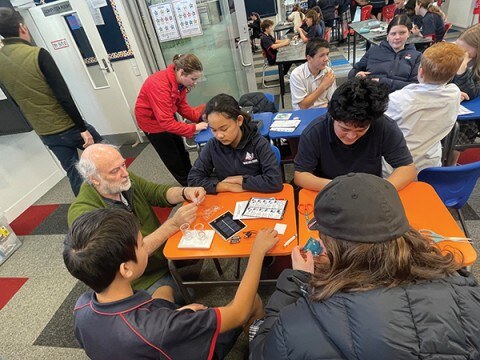
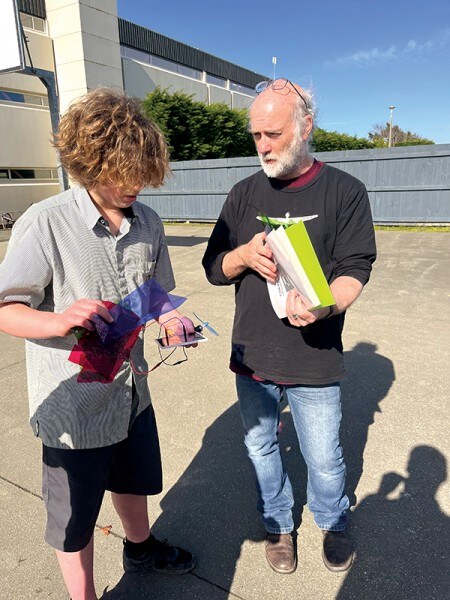
Sparking curiosity and starting conversationsDr David Warren (right) has been inspiring students to think about science and its role in society for years.Dr David Warren (right) has been inspiring students to think about science and its role in society for years.

Waiau Area School associate principal Richard Bennett says ākonga were enthused by the visit from Dr Warren and his students last year.

“It has really engaged our ākonga. It sparked their curiosity and started conversations about how it was happening and what could be possible in the future.

“We want to inspire them to think about their place in that future and the roles that are needed to build industries in this region. It’s unusual to have scientists come to your primary school and teach,” he says.

“All they have to do is turn up and be willing to learn,” says David. “We hope that by taking the science to them and teaching them to make hydrogen, they’ll start thinking up different ways they can use science to make things they want.”

Ivan says the programme uses hydrogen because it’s a great way to show how green energy can work.

“We’re thinking about where the hope and purpose is for these ākonga. By demystifying science, we’re showing them that technology is changing fast and they can be part of that in lots of different ways.

“Their future isn’t necessarily in hydrogen. They might end up doing something else entirely, but hydrogen is a good way to teach sustainability because it’s a green fuel.”

Dreaming big dreamsStudents are often astonished to know they’ve made hydrogen.Students are often astonished to know they’ve made hydrogen.

David says the university students love going out to the schools.

“They’re closer in age to the ākonga than I am. It’s our hope that making cool science experiments with those young learners will help them imagine a similar career for themselves.

“We want these ākonga to broaden their aspirations and we hope many of them will choose to study science. It’s about inspiring them to dream some really big dreams for themselves and to know how they can make them become reality.”

Ivan says he hopes Murihiku Regeneration will become a more systemic way for ākonga to experience Coloured cellophane lets ākonga explore the light spectrum and compare how different colours impact energy.Coloured cellophane lets ākonga explore the light spectrum and compare how different colours impact energy.magic moments of inspiration.

David agrees. “I like to tell them about the story of Professor Alan McDiarmid. Professor McDiarmid won the Nobel Prize for Chemistry, but very nearly didn’t get into science at all.”

As a student, McDiarmid showed an interest in science, but it wasn’t until he was in his last year of high school that his passion for chemistry ignited. He went on to complete two PhDs, eventually becoming a joint winner of the 2001 Nobel Prize in Chemistry for his part in the discovery of a plastic polymer that could conduct electricity.

Breaking down barriers

Murihiku Regeneration is just beginning its next series of school visits to Southland schools. The team will visit some schools multiple times, bringing different science ideas to inspire the next generation as well as holding teacher professional development days to support STEAM education in Southland’s schools.

Ivan says the project is breaking down what he calls the ‘expert’ barrier – giving teachers access to the expertise to create STEAM experiences and broaden their own capability to teach STEAM subjects.

“We hope these students will become the many different kinds of engineers and managers and IT architects and other roles we can’t even imagine, yet who will build the future industries of Southland.”

What the students said

“It was amazing to see energy produced from water. I didn’t know that was a thing.” Deakon, Year 9

“I liked being able to follow the instructions to build the fuel cell and then to see the fan start to move was awesome.” Hamiora, Year 7

“It was so cool. It made us think about how it can benefit us in the future, it is much more environmentally friendly to get power from hydrogen or solar. Why don’t we have solar panels at our kura?” Summer, Year 10

“My eyes were opened to the potential of future energy production.” Maddi, Year 10

Posted: 5 July 2024

Prev page
Page 6 of 42
Next page

Also in this section

Pānui updates Photos
  • News
    • Pānui updates
    • Photos

© 2026 Hokonui Rūnanga • Website by RS

Facebook
  • Home
  • About us
    • Who we are
    • Murihiku Regeneration
      • Structure and context
      • Office of Upoko
    • Property assets
    • Find us
    • Job vacancies
  • Our history
    • Our whakapapa - a deep connection to this place
    • Wai and Whakapapa
    • The Battle of Waitaramea
    • Poupoutunoa and Kauwaewhakatoro
    • Two Rivers: Mataura (Mata Ura) and Clutha (Mata Au)
      • Mata Ura - Mataura River
      • Mata Au - Clutha River
  • Events & key dates
    • He Ao Hou - New Futures Murihiku Teacher PD Day
    • Energy and Innovation Wānanga 2024
    • Energy and Innovation Expo 2023
      • He Ao Hou - New Futures Murihiku 22 May
      • Live Streaming of Wānanga 23 and 24 May
      • Hosts and Key Speakers 23-24 May
      • Energy and Innovation presentations - 23 May
        • Opening Addresses
        • Global Session
        • Empowering partnerships: government's role in Aotearoa's energy transition
        • Climate Economics
        • Regional Infrastructure
        • Social regeneration and innovation
        • Regional Innovation
        • The importance of the Māori economy through this change
      • Energy and Innovation presentations - 24 May
        • Regional Leadership Panel
        • Regional Plans and Priorities
        • Southern Green Hydrogen
        • Tiwai Smelter Future
        • Southland Aquaculture
        • Regional Case Studies: Decarbonisation
        • Innovation and Bluff Re-imagining
        • Confirming Priorities: wrap-up and closing
    • Science and Innovation Wānanga 2021
    • Energy, Infrastructure and Opportunities Wānanga 2026
  • Education & training
    • Education - Hokonui Rohe Team
    • Te Ara Aukati Kore - Education, Training, and Capability
      • Kia Tū Pathway Planning Programme
        • Kia Tū in schools
        • Kia Tū Tertiary Pathway Programme
        • Meet Your Kaiako - SIT Campus
      • Anamata Māia: Bold, Confident Futures Service
        • Our Kaimahi - Staff
      • Penapena Ā Kura: School Attendance Service
      • Te Aka Whai Mahi: Find Your Path
      • He Ao Hou: New Futures Murihiku
    • Have your say!
  • Environment
    • Kaupapa Taiao - Hokonui Floriculture
    • Taonga Research
      • Kanakana Research
      • Our research partners
    • Southern Ocean - Murihiku ki te Tonga
    • Energy Transition Programme
      • Regional Energy Action Plan - Towards 2030
      • Energy Transition Plan for Murihiku-Southland
      • Hydrogen and Green Energy
      • Tiwai Point
    • Te Tapu o Tāne
    • Our Kaimahi - Staff
  • Health & wellbeing
    • Whānau Ora Navigators
    • Community youth worker and advocacy service
    • Hokonui Community-Led Health
    • Kaumatua Health Days
    • Te Kakano - Nurse-led Clinics
    • Our Kaimahi - Staff
    • Hokonui Takiwā Health and Wellbeing Village of Support
    • Referral form
    • COVID-19
  • News
    • Pānui updates
    • Photos
  • Contact us
    • Register
  • Facebook
  • Search...