Hokonui Rūnanga Register
  • About us
    • Who we are
    • Murihiku Regeneration
    • Property assets
    • Find us
    • Job vacancies
  • Our history
    • Our whakapapa - a deep connection to this place
    • Wai and Whakapapa
    • The Battle of Waitaramea
    • Poupoutunoa and Kauwaewhakatoro
    • Two Rivers: Mataura (Mata Ura) and Clutha (Mata Au)
  • Events & key dates
    • He Ao Hou - New Futures Murihiku Teacher PD Day
    • Energy and Innovation Wānanga 2024
    • Energy and Innovation Expo 2023
    • Science and Innovation Wānanga 2021
    • Energy, Infrastructure and Opportunities Wānanga 2026
  • Education & training
    • Education - Hokonui Rohe Team
    • Te Ara Aukati Kore - Education, Training, and Capability
    • Have your say!
  • Environment
    • Kaupapa Taiao - Hokonui Floriculture
    • Taonga Research
    • Southern Ocean - Murihiku ki te Tonga
    • Energy Transition Programme
    • Te Tapu o Tāne
    • Our Kaimahi - Staff
  • Health & wellbeing
    • Whānau Ora Navigators
    • Community youth worker and advocacy service
    • Hokonui Community-Led Health
    • Kaumatua Health Days
    • Te Kakano - Nurse-led Clinics
    • Our Kaimahi - Staff
    • Hokonui Takiwā Health and Wellbeing Village of Support
    • Referral form
    • COVID-19
  • News
    • Pānui updates
    • Photos
  • Contact us
    • Register
  1. Home
  2. News

News

MRAQ24 Mission Completed – First Southern Ocean Expedition Team return to Bluff on 4 February 2024

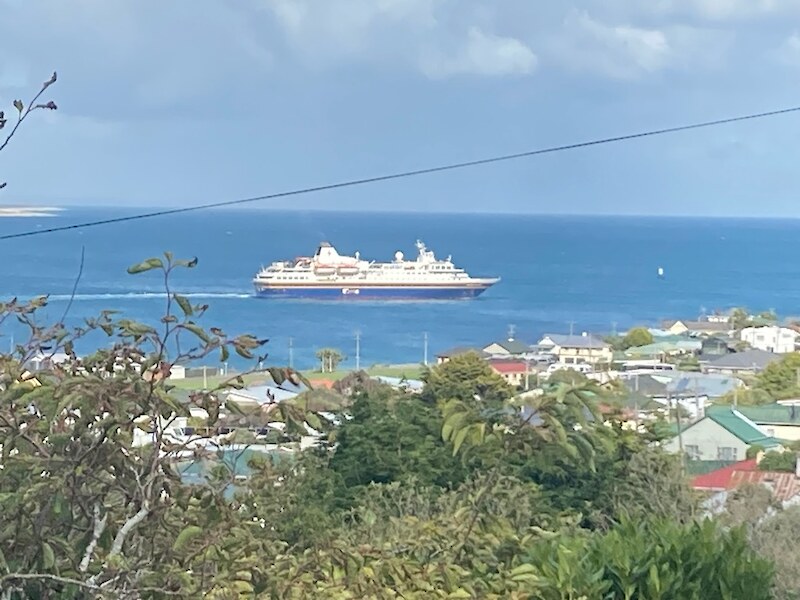
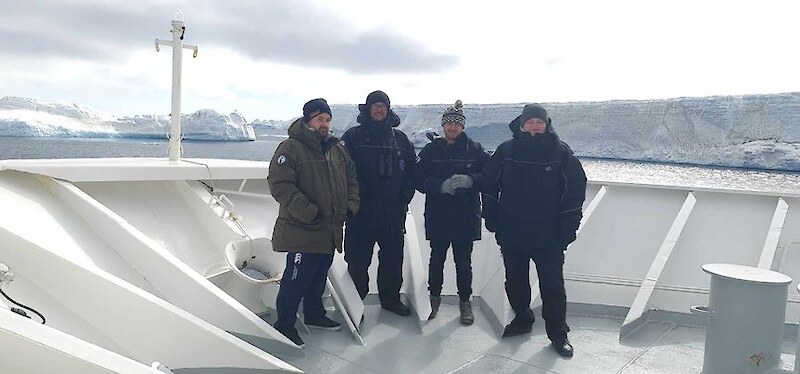
MRAQ24A, the designation given to the six person Murihiku Regeneration Team, that deployed on the 124 m vessel - Heritage Adventurer into the Southern Ocean and Ross Sea Sector, returned to Bluff on 4 February 2024, after 24 days at sea. The purpose of the expedition was to build capability, capacity for Murihiku Hapū members, undertake a range of science and research projects, and also to take a more active an engaageed presence in and around the NZ SubAntarctic Islands. For Te Rūnanga o Ngāi Tahu, these islands form part of the maritime zone of interest that is referenced and acknolwedged in the Ngāi Tahu Settlement Act, 1998.
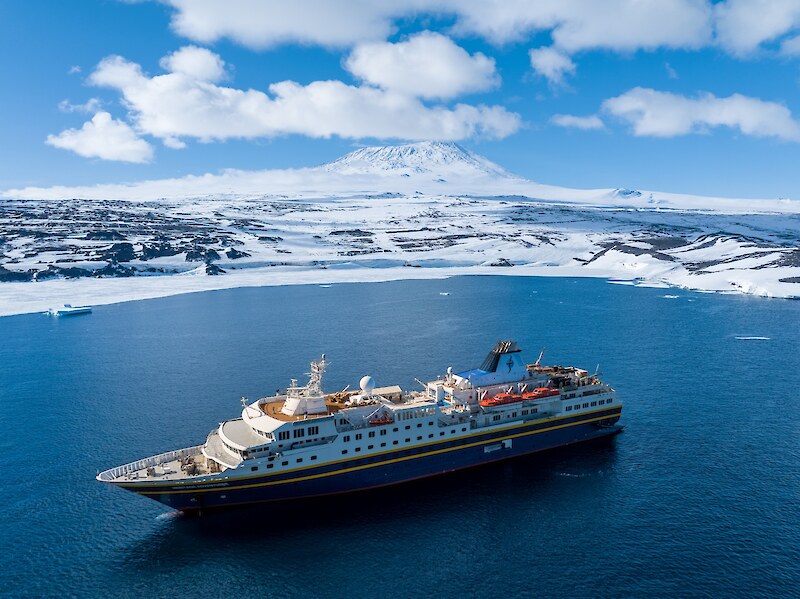
Photos taken by Colin AitchisonPhotos taken by Colin Aitchison

The MRAQ24A team gathered at SouthPort on 5 February to undertake a quick debrief on the expedition, including to discuss lessons learned, and to also hand over these learnings to the MRAQ24B Team Leader, Rewi Davis from Oraka Aparima for the February-March deployment.

“It was an awesome experience, one I will never forget,” stated Luka Finn (Hokonui) recounting his time onboard with the team.
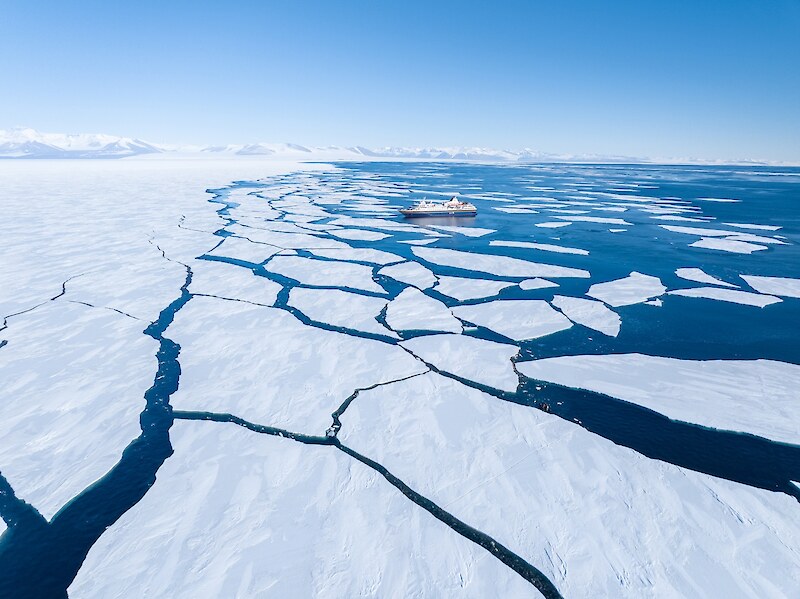
Photos taken by Colin AitchisonPhotos taken by Colin Aitchison

“There is so much opportunity and potential for Murihiku Hapū, Ngāi Tahu and our whānau to gain by building on this experience. There are a whole range of projects and activities that we can develop for future trips,” confirmed Riki Parata, the MRAQ24 Team Leader.

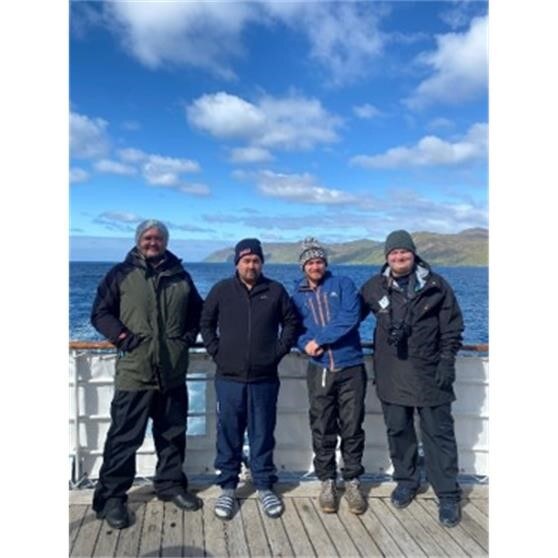
“The Heritage (Expeditions) Team on the Adventurer were very professional, supportive of our science work, and I would like to thank them for their commitment in making the trip possible,” said Karlee Nicholas (Hokonui) of his time onboard.Image taken of the crew on the deck of the Heritage AdventurerImage taken of the crew on the deck of the Heritage Adventurer
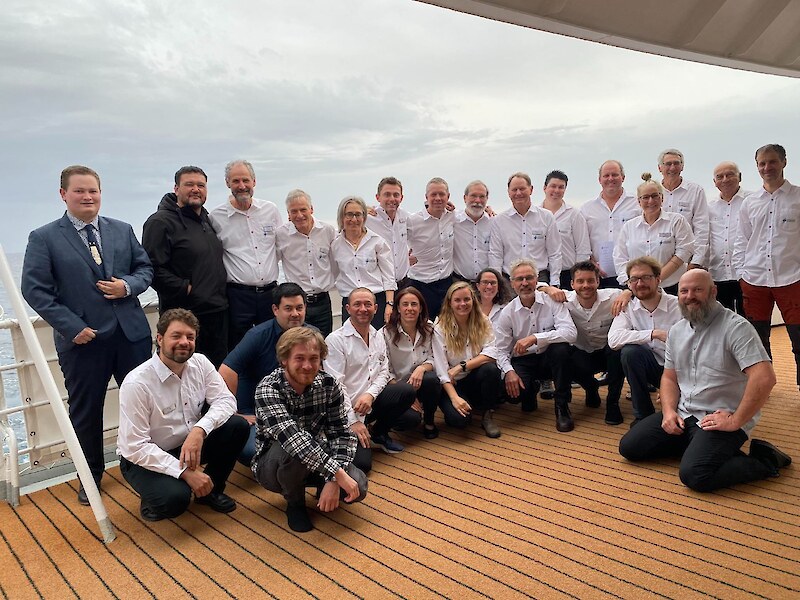
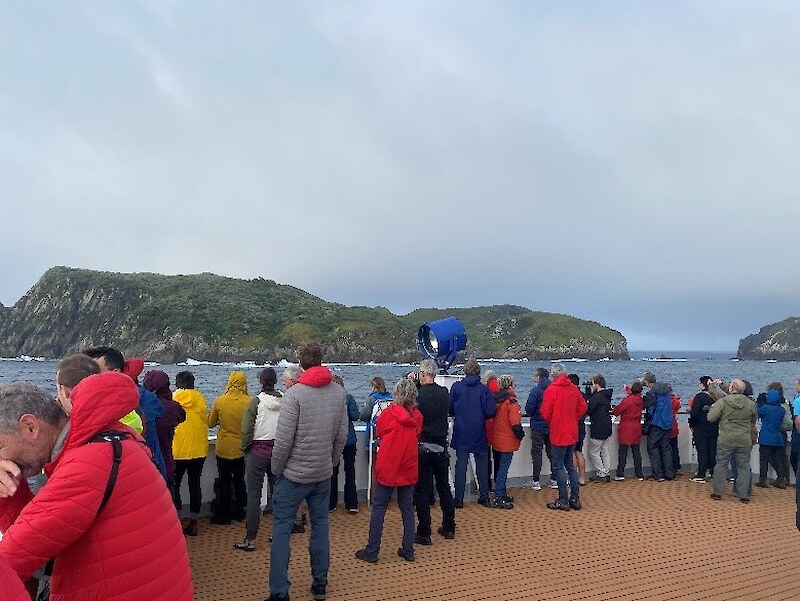
Nathan Russ, Heritage Adventurer Operations Manager for the January 2024 voyage comments that, “it was our pleasure to host the Murihiku Regeneration team onboard. The passengers and crew enjoyed the opportunity to share and learn from them as they went about their work.”

As a result of the expedition, project and expedition reporting will be completed and shared with others, and thinking will occur around the next projects and expedition work that will be completed as a part of the Murihiku ki te Tonga Programme.

“The work we have done on the Subantarctic Islands where we landed will be invaluable. We are looking to pull together a comprehensive framework of information that will reference and inform future projects on these islands,” said Riki Parata about the cultural assessments completed so far.
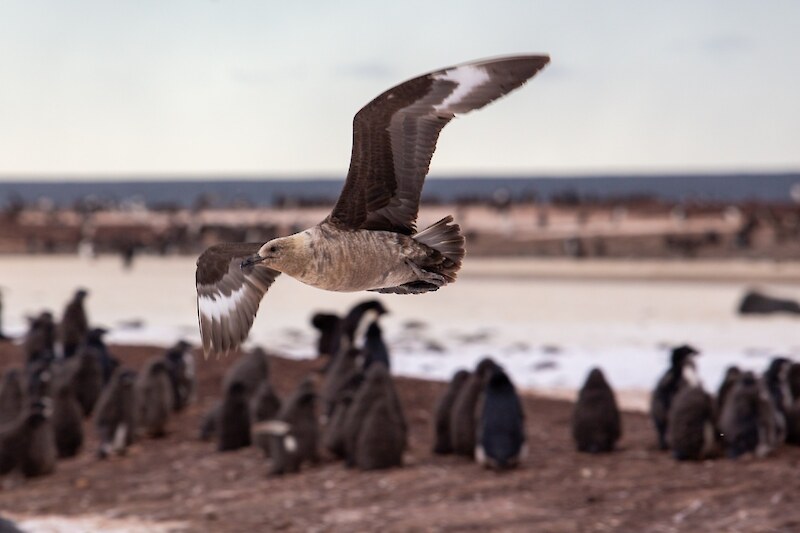
Photos taken by Colin AitchisonPhotos taken by Colin Aitchison

“This is just the start of our work. The cultural assessment work, the marine mammal research and building up our capability; it will all help to develop this research programme into something that will make a big difference for us,” said Riki Nicholas, the Murihiku Ki Te Tonga Programme Director.

Posted: 9 February 2024
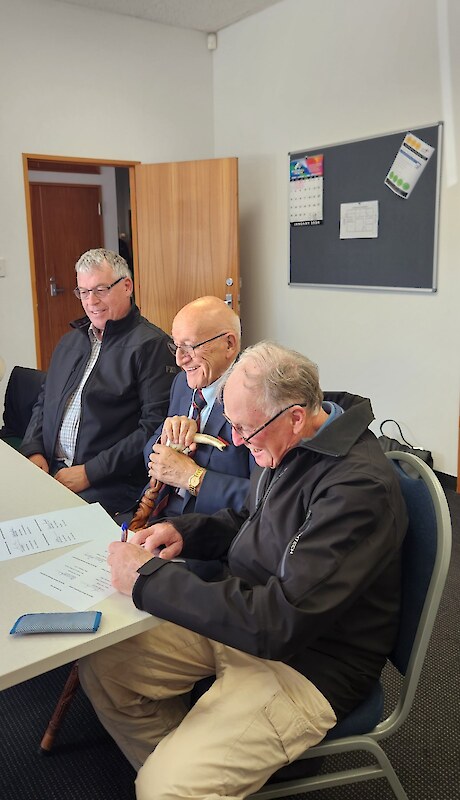
Signing of Key Blue Economy Relationship Agreement between Murihiku Regeneration and Whiore to Progress Ngāi Tahu Blue Economy Projects

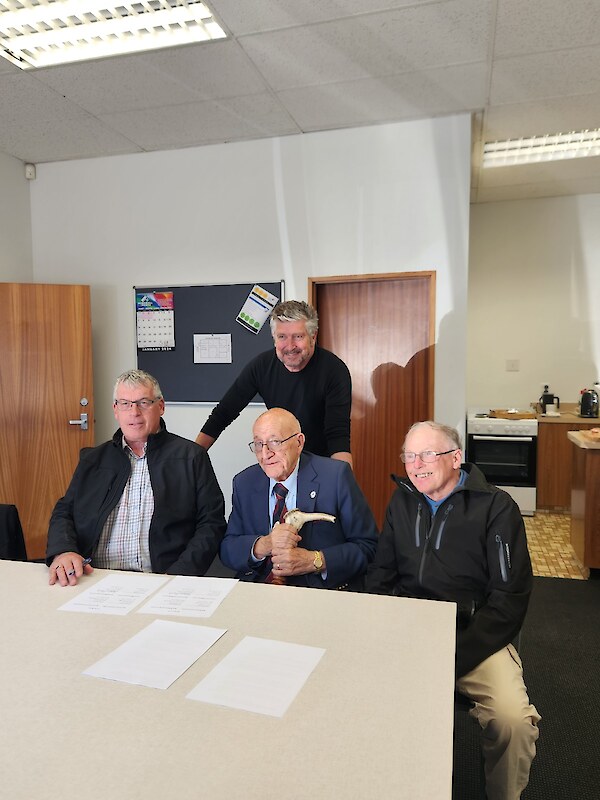
From left to right: Terry Nicholas, Tā Tipene O’Regan and Graham Kitson.From left to right: Terry Nicholas, Tā Tipene O’Regan and Graham Kitson.Murihiku Upoko – Ta Tipene O’Regan (Awarua) and Terry Nicholas (Hokonui) today signed a reltionship agreement with Graham Kitson, the Chair and Alan Groves, the Chief Executive of Whiore to set out a framework to progress key projects in the Murihiku-Southland region to support regional development, create jobs and contribute to vital decarboniation and climate response efforts.

Terry Nicholas, Tā Tipene O’Regan, Alan Groves and Graham Kitson signing the relationship agreement.Terry Nicholas, Tā Tipene O’Regan, Alan Groves and Graham Kitson signing the relationship agreement.The 7 February 2024 workshop and signing ceremony represents a significant step forward towards realising a range of projects that have the potential to create significant local and regional opportunities for Murihiku Hapū and the local community. The signing was able to progress after visits and discussions with locals, and will build on research, innovation and developments already being progressed by Whiore and Murihiku Regeneration.

“This agreement is us signalling that we will be looking to get in place some initial projects that the whole community - especially those already involved in the fishing and aquaculture industry in the region. We aim to start with practical and sensible projects that will build on existing capabilities, experience and knowledge”, said Terry Nicholas, Portfolio Director for Murihiku Regeneration.

“One of the really exciting opportunities is for us to further build up a pipeline of job and learning pathways for Ngāi Tahu rangatahi and those interested in a local career opportunities in the blue economy”.

“The value and opportunity to create intergenerational benefit is right in front of us, “ said Alan Groves, Whiore CEO.

Both parties have agreed to create an establishment project, put in place the business and investment case for implementation of a first delivery project for later in 2024.

Posted: 7 February 2024

Murihiku Team Continues Killer Whale Research Programme

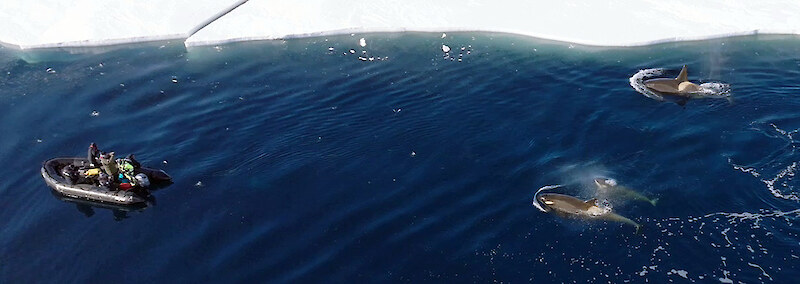
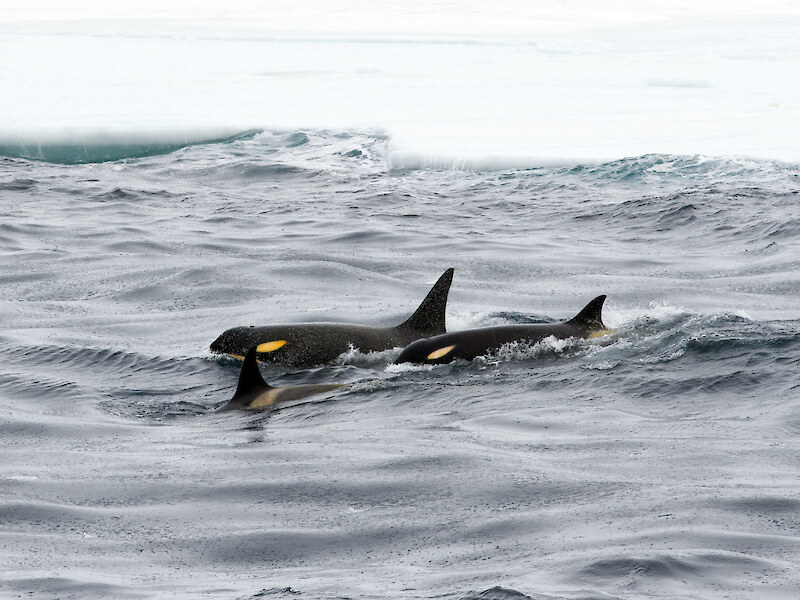
Curious Antarctic Type-C killer whales head towards the Murihiku zodiac (far left) to have a look at their visitors. Photo: Colin AitchisonCurious Antarctic Type-C killer whales head towards the Murihiku zodiac (far left) to have a look at their visitors. Photo: Colin Aitchison

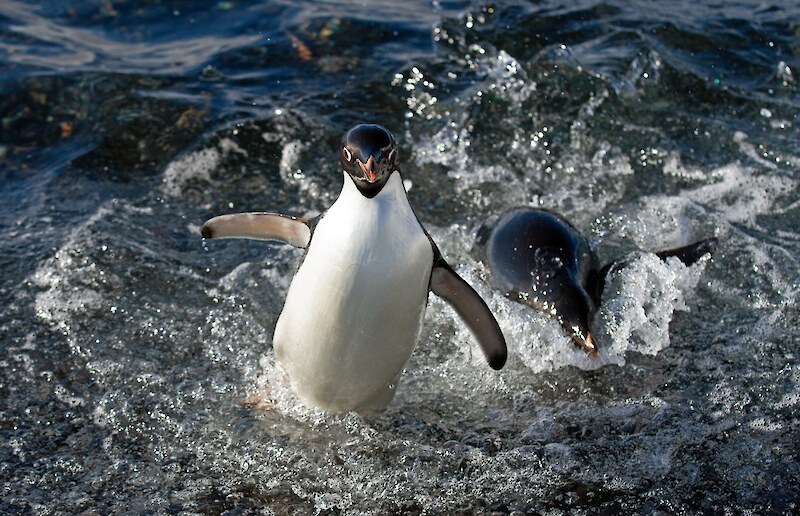
Kākahi-killer whales hunt prey as varied as fish, penguins, seals, and minke whales, and are the top predators of the ocean. The fish-eating Type-C Antarctic killer whale (TCKW) is a designated focal species for research in the Ross Sea Region Marine Protected Area (MPA). The reason for this special attention is that the Ross Sea fishery is potentially competing with TCKW for Antarctic toothfish (Dissostichus mawsoni), a large, high-fat fish thought to be a favourite food for killer whales, Weddell seals, and parāoa in the Ross Sea region.

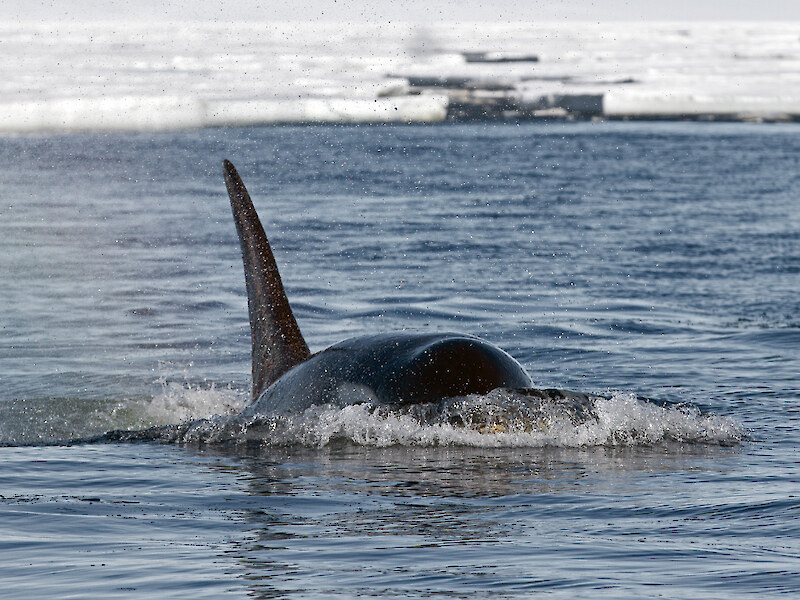
Operating in a zodiac provided by Heritage Expeditions, the Murihiku Team had the opportunity to come face to face with the killer whales like this magnificent adult male. Photo: Regina EisertOperating in a zodiac provided by Heritage Expeditions, the Murihiku Team had the opportunity to come face to face with the killer whales like this magnificent adult male. Photo: Regina Eisert

Following the retreating sea ice south on the Heritage Adventurer, this week the Murihiku Expedition team reached McMurdo Sound, a known hotspot for Antarctic killer whales (Orcinus orca). In 2013, Murihiku ki Te Tonga Science Lead Dr Regina Eisert started the first Antarctic killer whale research programme in and for the Ross Sea region MPA to find out what the whales eat, how many there are, and how and when they move between the Ross Sea and New Zealand. To find out, killer whales are photographed to uniquely identify individuals (photo-ID), and their behaviour is observed from the air and with underwater cameras. Photo-ID allows tracking of whale movements when they are re-sighted in New Zealand waters or as far north as Australia.
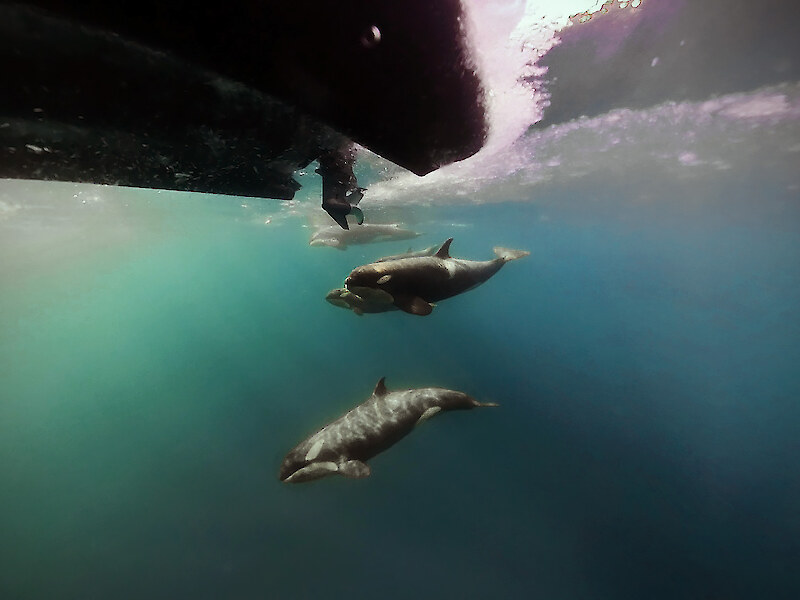
As part of the scientific research programme, killer whales are filmed underwater. Here they are having a closer look at the underside of the zodiac. Photo: Murihiku ki Te TongaAs part of the scientific research programme, killer whales are filmed underwater. Here they are having a closer look at the underside of the zodiac. Photo: Murihiku ki Te Tonga

Field work on the Ross Sea killer whales was interrupted in 2020, but the programme was successfully re-launched during the inaugural Murihiku ki Te Tonga expedition in February 2023. Zodiac support provided by Heritage Expeditions allowed the Murihiku Team to move effortlessly among the ice floes and study the whales up close using underwater video and a small drone.

Although it is not clear who studied whom, as one group of whales after another made a beeline for the zodiac and gave it a thorough inspection. Access to boat support is a new capability for the Antarctic killer whale research programme and gives a fantastic boost to the scientific work.

Type-C killer whales are distinguished from other killer whales by their distinctive narrow, upward-sloping eye patches. This type is at home in the icy waters of the southern Ross Sea but also visits New Zealand. Photo: Regina EisertType-C killer whales are distinguished from other killer whales by their distinctive narrow, upward-sloping eye patches. This type is at home in the icy waters of the southern Ross Sea but also visits New Zealand. Photo: Regina Eisert

Posted: 27 January 2024

MKTT January 2024 Expedition update -Team completes NZ Subantarctic Island visits

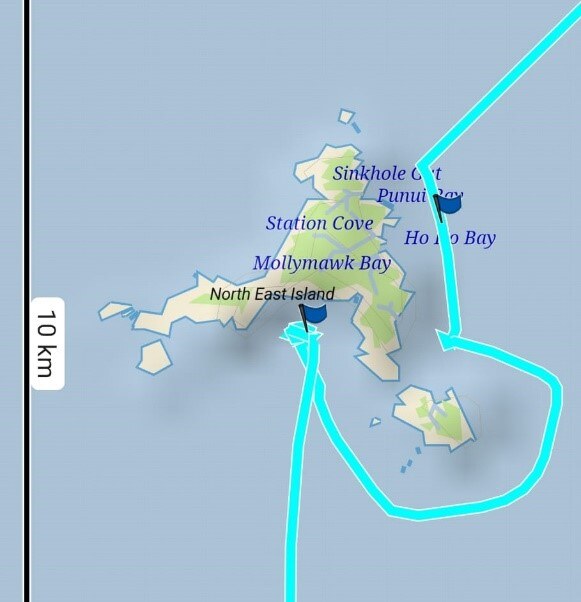
The January Expedition Team that departed Bluff on 10 January 2024 has completed its visits to the NZ Sub Antarctic Islands (Auckland Islands, Enderby Island and the Snares), and Macquire Island, over the period 11-15 January 2024.

Murihiku ki te Tonga (MKTT) is a Murihiku Regeneration sponsored research, science and innovation programme, focused on building capability, capacity and greater understanding of the NZ Sub Antarctic Islands, Southern Ocean, and Ross Sea Sector. Since deploying, a range of projects and studies are now underway by the team. One of the key aims of the Expedition is to develop a culturally based framework for ongoing mātauranga Māori research.

“This includes multiple science disciplines management for Te Moana Tāpokopoko a Tāwhaki (the Southern Ocean). It has been our intent to take previous data from Ngāi Tahu scholars and archaeologists, taonga species monitoring, multiple science disciplines, as well as whānau observations, to inform the Āpiti Hono Tātai Hono (AHTH) assessments, and create a base framework for ongoing management.”

“This will be followed up on future expeditions to build our knowledge base,” says Riki Parata, MKTT Team Leader about the work the team is conducting.

The team is now well inside the Antarctic Circle, having already visited a number of Subantarctic Islands - including the Auckland Islands (landing and shore based activities), the Snares (small boat activity, no landing), and Cape Adare on its southern journey.

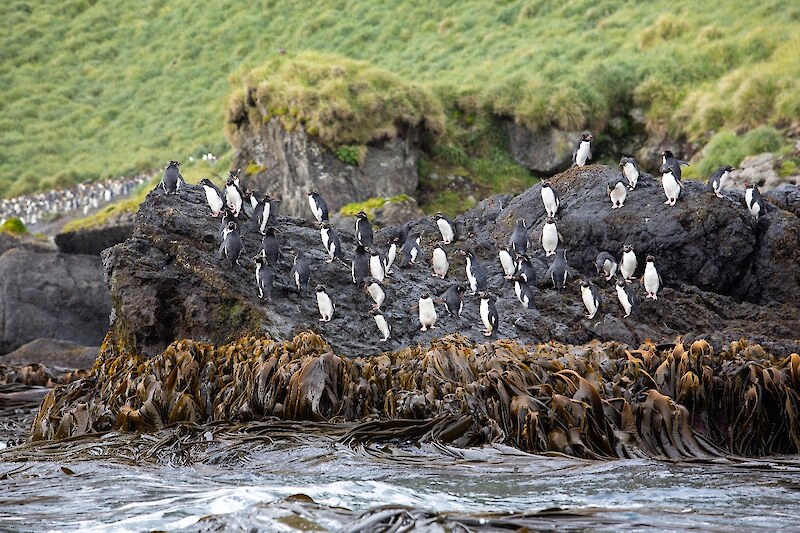
“Early in the voyage, we undertook a three hour zodiac ride on 11 January, around the southern end of the Snares. The amount of sea birds was overwhelming, with sooty shearwater, prions, albatross and petrels as far as the eye could see.”

“Tītī burrows could be seen on the mainland from our boats, with krill on mass on top of the moana, with huge bait balls forming around them that attratced larger fish species, penguins, and larger sea birds into a feeding frenzy”.

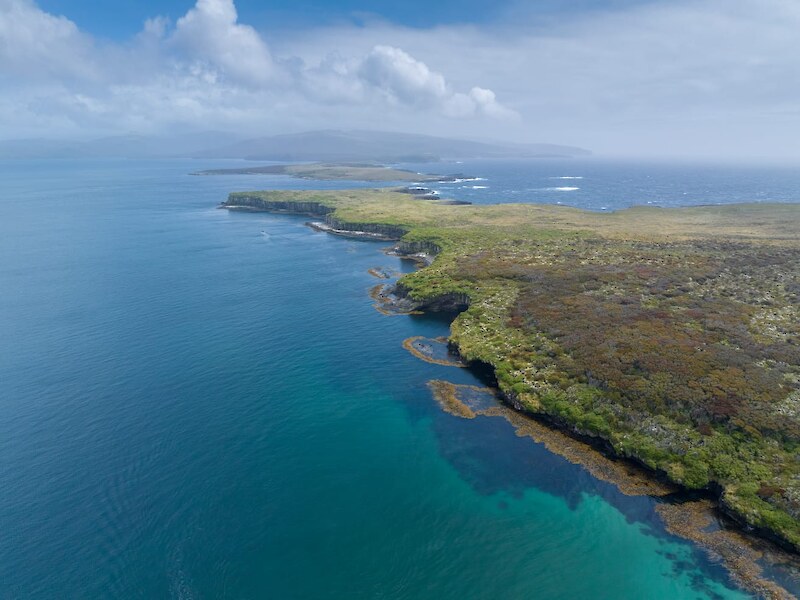
“On 12 January, we visited the Auckland Islands, where we undertook a cultural assessment of both Ranui and Hardwicke Settlements, and we then deployed to Enderby Island to undertake a further cultural assessment, and also drone operations as a part of supporting and building on a March 2023 archaeological expedition undertaken by Ngāi Tahu researchers Gerald O’Regan and Matiu Prebble”.C. Aitchison – Skyworks UASC. Aitchison – Skyworks UAS

“The opportunity to further explore and record know Māori settlements and activities on Enderby Island and then Macquarie Island, as a whole team were significant outcomes for the expedition team.”

As we move south, the team plans to undertake a range of activities that includes marine mammal research using small boats, from the sea ice edge, and on land”, shared Riki Parata in his update on activities from the first full week of deployment.

C. Aitchison – Skyworks UASC. Aitchison – Skyworks UAS

As of 22 January 2024, their vessel, the Heritage Adventurer, was well inside the Antarctic Circle and approaching Terra Nova Bay, where further research is planned.

Posted: 23 January 2024

First major Ngāi Tahu expedition departs as part of Murihiku Regeneration Southern Oceans Programme

A six strong team departed yesterday from Awarua -Bluff on a month long southern oceans science and research expedition as a part of the Murihiku ki te Tonga Programme (MKTT) aboard the Heritage Adventurer, owned and operated by New Zealand company Heritage Expeditions Limited. This is the first of four expeditions that will be deployed in the 2023/2024 summer session with the MKTT programme to better understand the southern ocean and its importance to Ngāi Tahu and New Zealand from a climate, biodiversity, cultural and sustainability perspective.

“The team will be undertaking a number of research and science projects that now form part of the ki te Tonga programme that we started in 2022 and follows on from our first deployment in February 2023 to prove our initial capability. This includes a research project sponsored by the Ministry of Primary Industries (MPI), which will be conducted over the January and February voyages, and reported on during the year.

“This programme is in part about building on our Ngāi Tahu marine zone of interest, which includes the four NZ subantarctic islands. This is written into our 1996 settlement agreement with the Crown, and we are ensuing we are visible, engaged in that zone, and we are doing our part.

“We have selected a six strong expedition team that has a mix of experience and volunteers, who all have a science and research background, and curiosity about the Southern Ocean and Antarctica.

“We see this as an opportunity of a lifetime, where they can further develop their skills knowledge and experience in conducting marine, sub Antarctic island studies and also operating in the Ross Sea Sector. On the trip they will be actively involved in marine mammal and wildlife research, undertake a cultural mapping project, and also developing future projects for the programme,” confirmed Terry Nicholas as the Programme sponsor for this expedition.

The six members of the team are; Riki Parata (Team Leader), Dr Regina Eisert (Science and Marine Mammal Lead), Colin Aitchison (Drone operator), Tane Tamati (member), Karlee Nicholas (member), and Luka Finn (member).

“We would like to acknowledge and thank Heritage Expeditions for their support and partnership in enabling this expedition to happen”, says Riki Parata, MKTT Team leader for the January expedition.

Murihiku Regeneration is sponsored through Hokonui Rūnanga, one of the four southern Rūnanga that are a part of Te Rūnanga o Ngāi Tahu.

The MKTT Programme, established in 2022, aims to build research, science and innovation capability and capacity for Murihiku Hapū, Ngāi Tahu in their understanding of te Moana-tapokopoko-a-Tawhiti, focused around climate, biodviersity, sustainable ecosystem management, commercial opprtunities and building cultural awareness and competence.

Posted: 11 January 2024

Prev page
Page 9 of 42
Next page

Also in this section

Pānui updates Photos
  • News
    • Pānui updates
    • Photos

© 2026 Hokonui Rūnanga • Website by RS

Facebook
  • Home
  • About us
    • Who we are
    • Murihiku Regeneration
      • Structure and context
      • Office of Upoko
    • Property assets
    • Find us
    • Job vacancies
  • Our history
    • Our whakapapa - a deep connection to this place
    • Wai and Whakapapa
    • The Battle of Waitaramea
    • Poupoutunoa and Kauwaewhakatoro
    • Two Rivers: Mataura (Mata Ura) and Clutha (Mata Au)
      • Mata Ura - Mataura River
      • Mata Au - Clutha River
  • Events & key dates
    • He Ao Hou - New Futures Murihiku Teacher PD Day
    • Energy and Innovation Wānanga 2024
    • Energy and Innovation Expo 2023
      • He Ao Hou - New Futures Murihiku 22 May
      • Live Streaming of Wānanga 23 and 24 May
      • Hosts and Key Speakers 23-24 May
      • Energy and Innovation presentations - 23 May
        • Opening Addresses
        • Global Session
        • Empowering partnerships: government's role in Aotearoa's energy transition
        • Climate Economics
        • Regional Infrastructure
        • Social regeneration and innovation
        • Regional Innovation
        • The importance of the Māori economy through this change
      • Energy and Innovation presentations - 24 May
        • Regional Leadership Panel
        • Regional Plans and Priorities
        • Southern Green Hydrogen
        • Tiwai Smelter Future
        • Southland Aquaculture
        • Regional Case Studies: Decarbonisation
        • Innovation and Bluff Re-imagining
        • Confirming Priorities: wrap-up and closing
    • Science and Innovation Wānanga 2021
    • Energy, Infrastructure and Opportunities Wānanga 2026
  • Education & training
    • Education - Hokonui Rohe Team
    • Te Ara Aukati Kore - Education, Training, and Capability
      • Kia Tū Pathway Planning Programme
        • Kia Tū in schools
        • Kia Tū Tertiary Pathway Programme
        • Meet Your Kaiako - SIT Campus
      • Anamata Māia: Bold, Confident Futures Service
        • Our Kaimahi - Staff
      • Penapena Ā Kura: School Attendance Service
      • Te Aka Whai Mahi: Find Your Path
      • He Ao Hou: New Futures Murihiku
    • Have your say!
  • Environment
    • Kaupapa Taiao - Hokonui Floriculture
    • Taonga Research
      • Kanakana Research
      • Our research partners
    • Southern Ocean - Murihiku ki te Tonga
    • Energy Transition Programme
      • Regional Energy Action Plan - Towards 2030
      • Energy Transition Plan for Murihiku-Southland
      • Hydrogen and Green Energy
      • Tiwai Point
    • Te Tapu o Tāne
    • Our Kaimahi - Staff
  • Health & wellbeing
    • Whānau Ora Navigators
    • Community youth worker and advocacy service
    • Hokonui Community-Led Health
    • Kaumatua Health Days
    • Te Kakano - Nurse-led Clinics
    • Our Kaimahi - Staff
    • Hokonui Takiwā Health and Wellbeing Village of Support
    • Referral form
    • COVID-19
  • News
    • Pānui updates
    • Photos
  • Contact us
    • Register
  • Facebook
  • Search...