Hokonui Rūnanga Register
  • About us
    • Who we are
    • Murihiku Regeneration
    • Property assets
    • Find us
    • Job vacancies
  • Our history
    • Our whakapapa - a deep connection to this place
    • Wai and Whakapapa
    • The Battle of Waitaramea
    • Poupoutunoa and Kauwaewhakatoro
    • Two Rivers: Mataura (Mata Ura) and Clutha (Mata Au)
  • Events & key dates
    • He Ao Hou - New Futures Murihiku Teacher PD Day
    • Energy and Innovation Wānanga 2024
    • Energy and Innovation Expo 2023
    • Science and Innovation Wānanga 2021
    • Energy, Infrastructure and Opportunities Wānanga 2026
  • Education & training
    • Education - Hokonui Rohe Team
    • Te Ara Aukati Kore - Education, Training, and Capability
    • Have your say!
  • Environment
    • Kaupapa Taiao - Hokonui Floriculture
    • Taonga Research
    • Southern Ocean - Murihiku ki te Tonga
    • Energy Transition Programme
    • Te Tapu o Tāne
    • Our Kaimahi - Staff
  • Health & wellbeing
    • Whānau Ora Navigators
    • Community youth worker and advocacy service
    • Hokonui Community-Led Health
    • Kaumatua Health Days
    • Te Kakano - Nurse-led Clinics
    • Our Kaimahi - Staff
    • Hokonui Takiwā Health and Wellbeing Village of Support
    • Referral form
    • COVID-19
  • News
    • Pānui updates
    • Photos
  • Contact us
    • Register
  1. Home
  2. News

News

Tā Tipene O’Regan - Finalist for the Kiwibank New Zealander of the Year - Te Pou Whakarae o Aotearoa

Murihiku Regeneration congratulates Tā Tipene O’Regan on being one of three finalists for the Kiwibank New Zealander of the Year - Te Pou Whakarae o Aotearoa 2022.
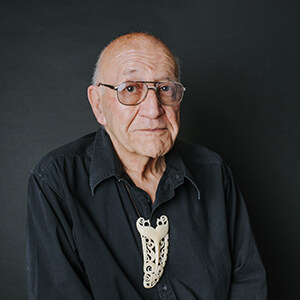
Tā Tipene O’Regan joins Dame Hinewehi Mohi (Ngāti Kahungunu/Ngāi Tūhoe) and Lisa Carrington (Te Aitanga-a-Māhaki/Ngāti Porou) as finalists for this prestigious award. The winner will be announced on Thursday 31 March 2022.

A public figure for most of his life, Tā Tipene O’Regan (Ngāi Tahu) has walked many paths. A major negotiator in Ngāi Tahu’s Te Tiriti o Waitangi Settlement, a public speaker, thinker and academic, Tā Tipene has brought his knowledge and energy to the social and political fabric of Aotearoa New Zealand. The former university lecturer chaired and developed the Ngāi Tahu Archive Advisory Committee, which has led to a partnership with Archives New Zealand, and the rehousing of the Ngāi Tahu Archive collection at the brand new, state-of-the-art facility at Wigram in 2021.

Now in his 80s, Tā Tipene continues to think about the future for his people. In 2021 he worked alongside Minister Megan Woods to ensure the Tiwai Point aluminium smelter closure will be managed to create the best outcomes for the region and has been instrumental in driving hui to explore opportunities for new, green hydrogen industries in the area. Tā Tipene’s work has naturally strengthened Ngāi Tahu’s ownership of its past, while helping to build a future-focused, intergenerational iwi.

Previous winners of the New Zealander of the Year Award are:

Dr Siouxsie Wiles (2021), Jennifer (Te Atamira) Ward-Lealand (2020), Mike King (2019), Kristine Bartlett (2018), Taika Waititi (2017), Richie McCaw (2016), Sir Stephen Tindall (2015), Dr Lance O’Sullivan (2014), Dame Anne Salmond (2013), Sir Richard Taylor (2012), Sir Paul Callaghan (2011) and Sir Ray Avery (2010).

Posted: 28 March 2022
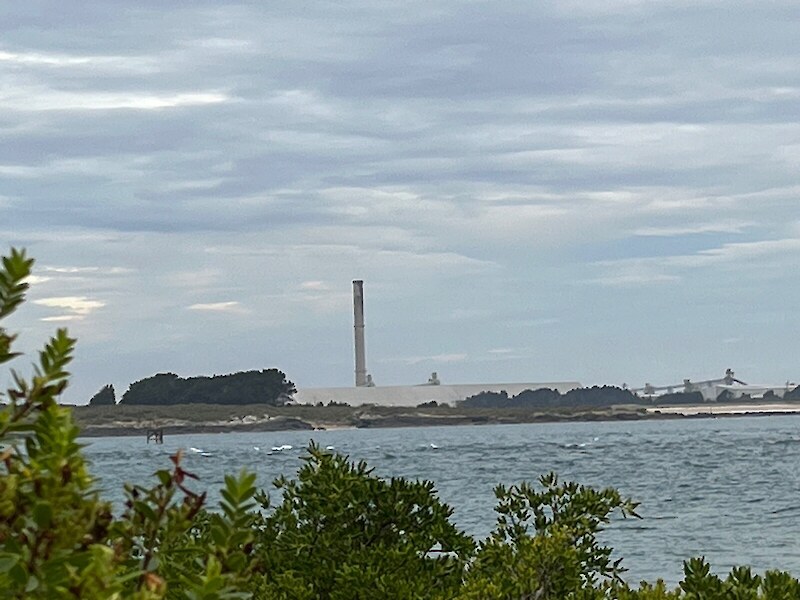
Tiwai Future - Awarua Working Group website

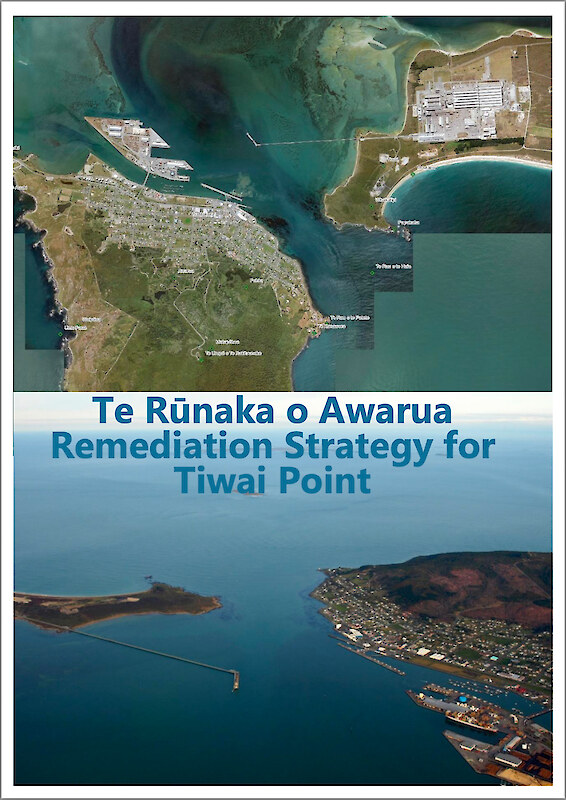
The Awarua Working Group (AWG) has set up a website to keep interested parties up to date with Tiwai Remediation: Cultural, Historical, Social.

Awarua Working Group (AWG) has been set up to develop, drive and monitor the programme of work involving the closure of the Tiwai smelter and site remediation is being undertaken by Te Rūnaka o Awarua.

Awarua Rūnaka wants to ensure there is a continuation of a social and cultural lens taken when a successful remediation of Tiwai Point is described for our future generations. This looks like a safe continuation and enhancement of the activities undertaken – past, present, and future – with a level of confidence that these activities are safe (fishing, mahinga kai).

This site is not just an industrial site, but a site used for social and cultural purposes, that extend to the surrounding land and sea.

The AWG has developed a remediation strategy to deliver successful remediation of Tiwai Point. The four core goals are as follows:
Goal 1: Preserve the past
Goal 2: Safely continue present activities
Goal 3: Preparation and readiness for future use
Goal 4: Enduring partnerships

Posted: 28 March 2022
Government removes $60m carbon subsidy from Tiwai Point smelter in Southland

Republished from Stuff: 25 March 2022

Article written by Henry Cooke - Chief Political Reporter

The Government has removed a complex, subsidy worth about $60m, from New Zealand Aluminium, which runs the Tiwai Point Smelter in Southland.

Climate Change Minister James Shaw asked the Government to agree to this measure late in 2021, a newly-released Cabinet paper has revealed.

The subsidy saw the Government provide 934,400 free “units” a year under the Emissions Trading Scheme (ETS) to the smelter as part of an electricity allocation.

Companies have to surrender a certain number of these “units”, currently priced at $75 based on their emissions, with each unit roughly translating to a tonne of carbon dioxide.

But some large emitters and large power users have a number of free units allocated each year to soften this blow, and to recognise that they may be competing with companies in other countries that face no carbon penalties.

Shaw argued that these free units no longer made sense for Tiwai as it had negotiated a new and cheaper deal for its electricity in January 2021.

Since this electricity was largely emissions-free anyway – coming from the Manapouri Dam right beside Tiwai – the price was not particularly inflated by a higher ETS price. (While Tiwai largely uses clean energy, the actual smelting of aluminium still produces emissions.)

Tiwai disagreed with Shaw on the matter, and with an independent analysis commissioned by Shaw to look at the appropriate price.

New Zealand Aluminium Smelter (NZAS) chief executive Chris Blenkiron said the smelter accepted the Government’s decision, but noted that Tiwai produced some of the lowest-carbon aluminium in the world.

Shaw noted in the Cabinet paper that the change could have large flow-on effects for the entire ETS, as it removed a significant number of free units from the system.

Companies can buy and sell emissions units – meaning businesses that emit less are able to sell their excess allocation to other companies who are still emitting more, profiting from the transaction.

The Government has been slowly moving to place an actual cap on the number of units in circulation.

“The recent decision to set the electricity allocation factor under the New Zealand Emissions Trading scheme for NZAS’s current electricity agreement to zero is one we accept.

“However, we note that aluminium production accounts for less than 1 per cent of New Zealand’s total carbon emissions, while aluminium continues to play a critical and growing role in a world economy focused on decarbonisation,” Blenkiron said.

“At NZAS we are proud to produce some of the lowest carbon aluminium in the world while many of our international competitors producing high carbon metal are not facing a price on carbon.”

Shaw noted in the Cabinet paper that the change could have large flow-on effects for the entire ETS, as it removed a significant number of free units from the system.

Companies can buy and sell emissions units – meaning businesses that emit less are able to sell their excess allocation to other companies who are still emitting more, profiting from the transaction.

The Government has been slowly moving to place an actual cap on the number of units in circulation.

Posted: 26 March 2022

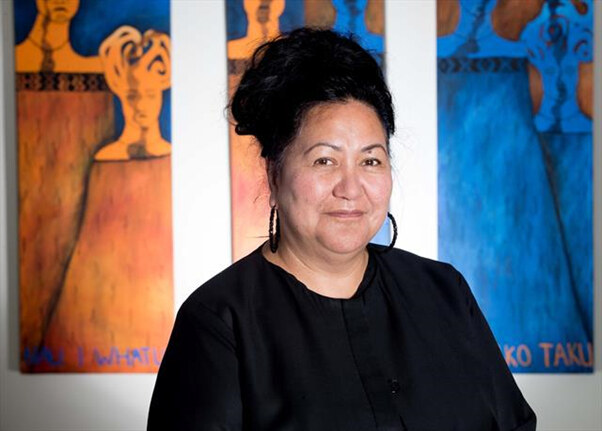
Donna Matahaere-Atariki wins Dame Tariana Turia Award

Murihiku Regeneration congratulates Donna Matahaere-Atariki as a 2021 Dame Tariana Turia Award Recipient.

The Dame Tariana Turia Award is for contributions to Whānau Ora (Whānau Wellbeing) at individual, group and organisational levels.

Donna’s story

(republished from Te Rau Ora)Donna Matahaere-Atariki: 2021 Dame Tariana Turia Award Recipient.Donna Matahaere-Atariki: 2021 Dame Tariana Turia Award Recipient.

I was born in Tuatapere in Western Southland, one of the first babies born in the newly opened Maternity Home in the late 1950s. I was what was termed back then a ‘blue baby’, my mother was told to take me home and keep an eye on me. Not many blue babies survived back then but I did. I am the number two daughter with 8 other sisters and two brothers who are the eldest.

My mother was from the Wharetutu and Potiki whānau and my father in his 90s is the oldest surviving child of Rapana Tamarapa and Koi Mirimiri from Taranaki, having arrived with a group of other Māori men to work at Ocean Beach Freezing works in Bluff and then Makarewa.

My father worked seasonally shifting into other labour-intensive work while my mother worked extraordinary hours often arriving home just in time to begin breakfast and the usual home keeping that waits for many working women.

My parents were hardworking people yet according to state documents my parents were “neglectful and lazy” us kids “without proper control”. Add a generous dollop each of racism, state power and the legal apparatus to enforce and we have a ‘perfect storm’ for the wholesale uplift of Māori children into state care.

Years later on receiving my records I found an entry where I had indicated a desire to go to university. The comment was insightful to me even back then, “Donna has aspirations above her station in life”. Later I was to hear that comment often only it became, “she is too academic”, “too educated”, “not Māori enough”, “privileged Māori woman” and all those other terms that are designed to put me in my place.

Being in state care taught me hyper-vigilance, education gave me the tools to interrogate what counts as “in our best interests” and my whānau reminds me every day about the utility of ‘transformation” in their lives. My mother Doreen was a formidable woman and taught me a healthy disdain of what she called “flash people”, government and do-gooders. My father Michael, relishes living alone where privacy is his last bastion of dignity. He taught me about the importance of mana motuhake – self-determination is extremely important to him as he politely declines offers of assistance from non-kin.

My great grandmother Eliza Potiki signed the suffrage petition on Rakiura and was a member of the Women’s Christian Temperance Union. My grandmother Pani Cross advocated for ‘ladies bars’ in pubs as she was concerned about men returning home with reduced pay packets during the period of the six o’clock swill. My mother was a union representative and an advocate for employees. While all working on different kaupapa, their agenda was to improve the lives of whānau. Despite the chaotic intervention of the state into their lives, these women often took a stand against the popular trends of the time.

I am a proud mother when I see my children at the start of their life journeys, taking up leadership positions in our own indigenous institutions. I see their struggles, nothing has changed, they are struggling against the racism of mainstream services that confronted me nearly 30 years ago, at times with the same characters. The state has fed an industry of services that were built on the backs of successive generations of Māori whānau, neither the state nor the NGO sector will give up this monopoly easily.

What they will offer us is a trojan horse, the opportunity to ‘co-chair’ their organisations. Not co-own just be at their table. We remain at risk of withering on the exotic vine of ‘biculturalism’ as pressure to partner with Māori increases. These are cautious times as well as times of great opportunity for whānau to design the systems responsible for building both environment and infrastructure that promote mana motuhake.

Posted: 24 March 2022

Seed Collection Wānanga

By Tegan Ramage

Hidden in Otatara, an outer suburb of Invercargill you can find two hidden gems, the Southland Community Nursery owned andTauira and Anna pay close attention to slideshow given by Chris Rance.Tauira and Anna pay close attention to slideshow given by Chris Rance. operated by Chris and Brian Rance, and the Oreti Tōtara Dune Forest reserve. We were lucky to attend both for a seed collection wānanga and also to have been joined by Te Tapu o Tāne crew! Even if this reunion was short lived before parting ways for the day.

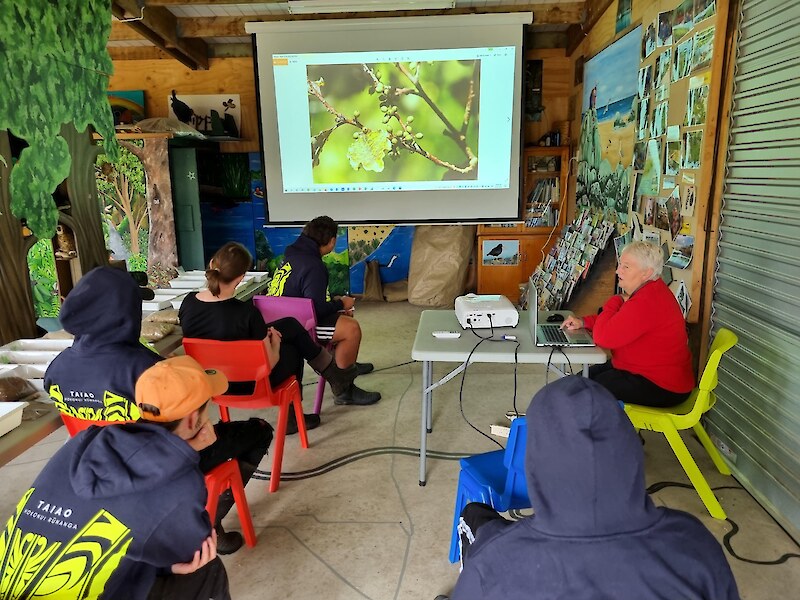
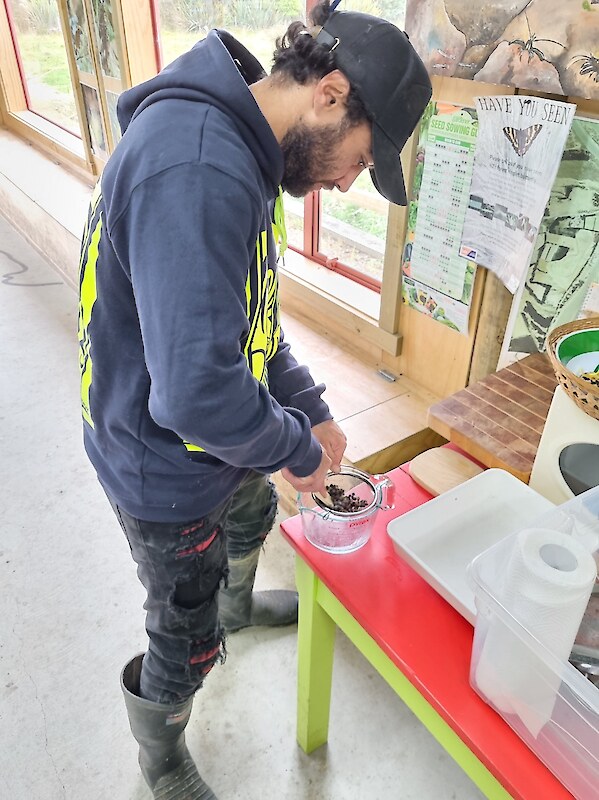
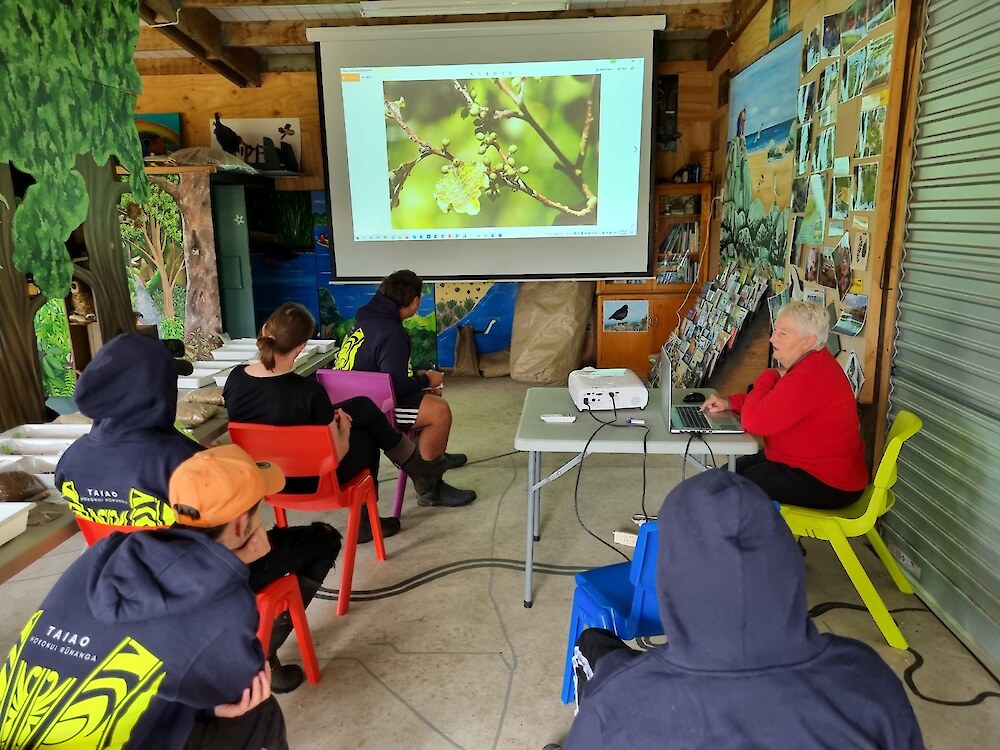
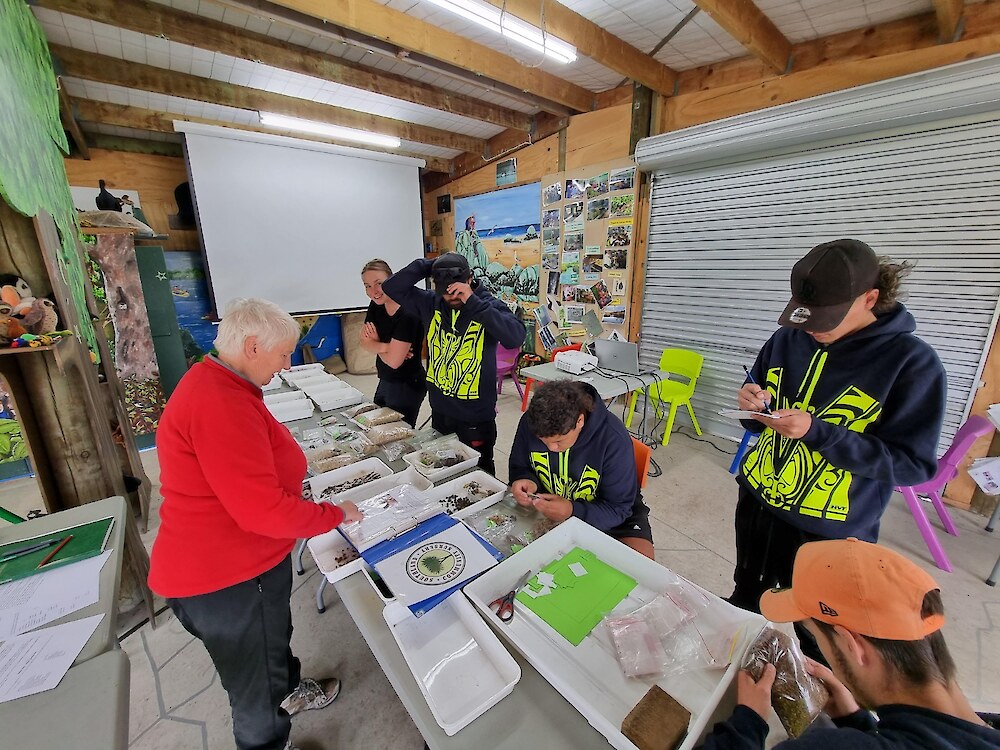
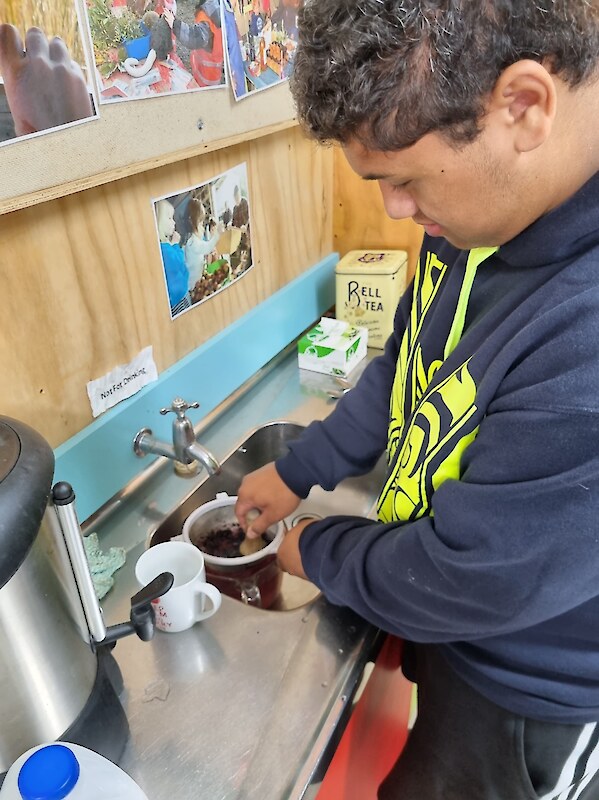
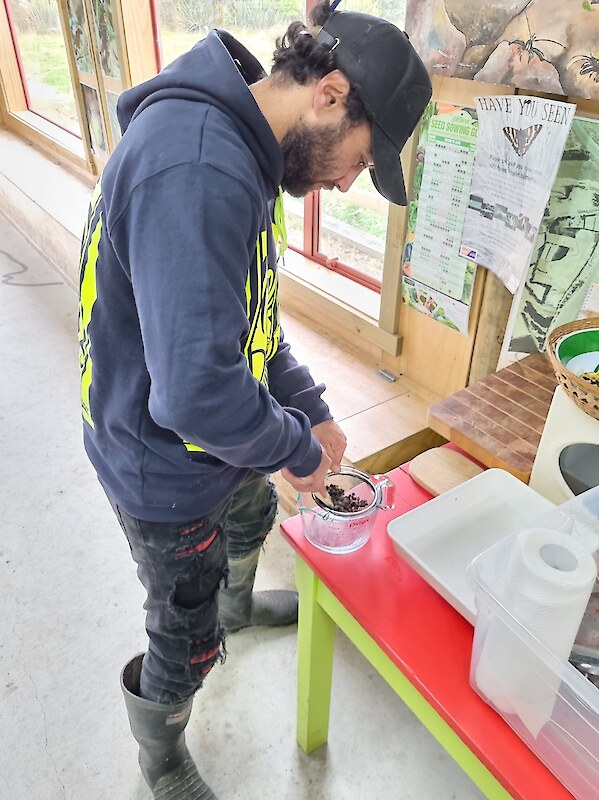
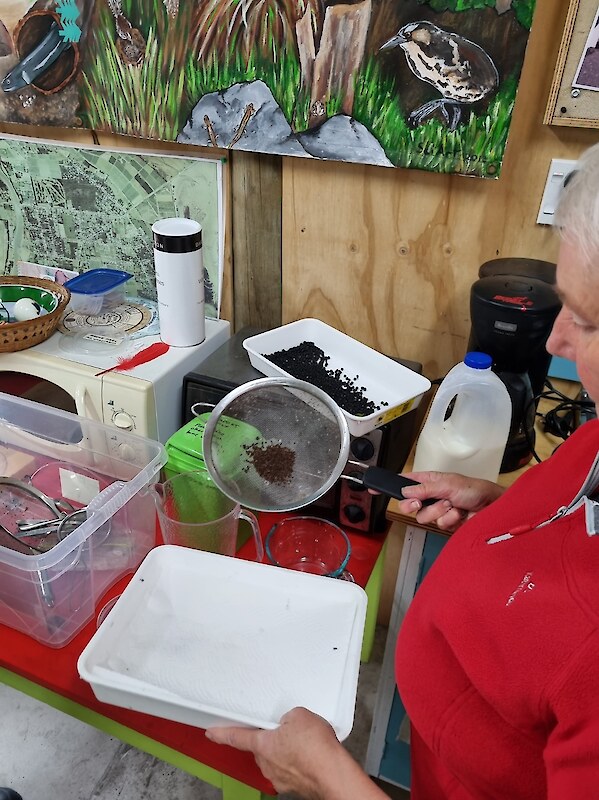
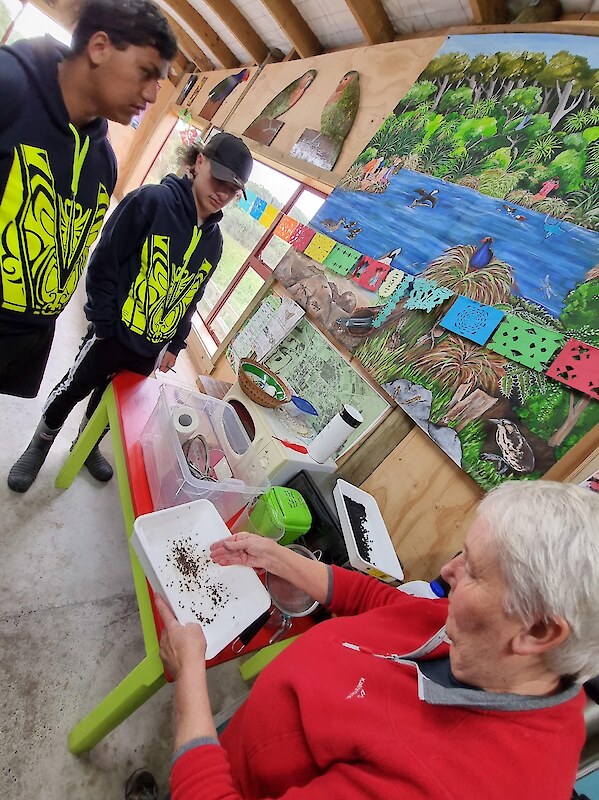
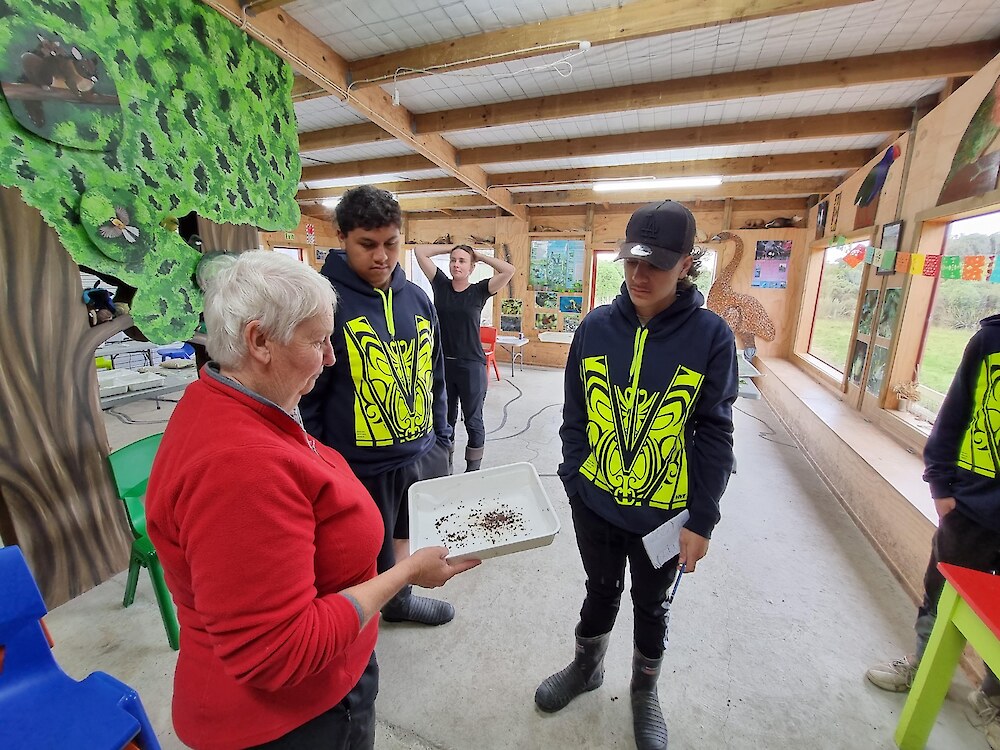
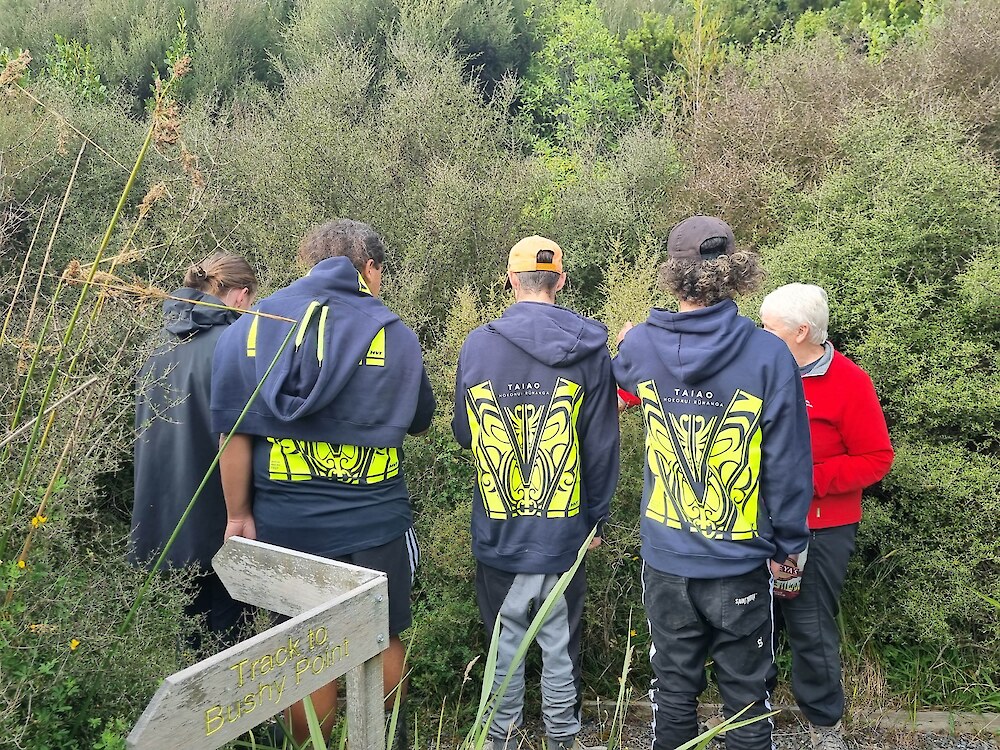
Left in the care of Chris Rance (Manager of the Southland Community Nursery), our tauira begun the day in the nursery workshop with a quick-fire round of introductions, then straight into it with a slideshow. It showed locally sourced plant life found on Chris’s recent venture to Bluff, where she explained how to differentiate between the different types of vegetation, their names, and what the seeds look like. We gathered around the table, which had a variety of seed types ranging in size, shape, and texture for the boys to investigate. Kaloni Taylor extracted makomako (wineberry) seeds, and Raniera Smyth chose kōtukutuku (tree fuchsia), which he instantly regretted because he said, “they stunk”.Raniera Smyth extracting kōtukutuku (tree fuchsia) seeds.Raniera Smyth extracting kōtukutuku (tree fuchsia) seeds.

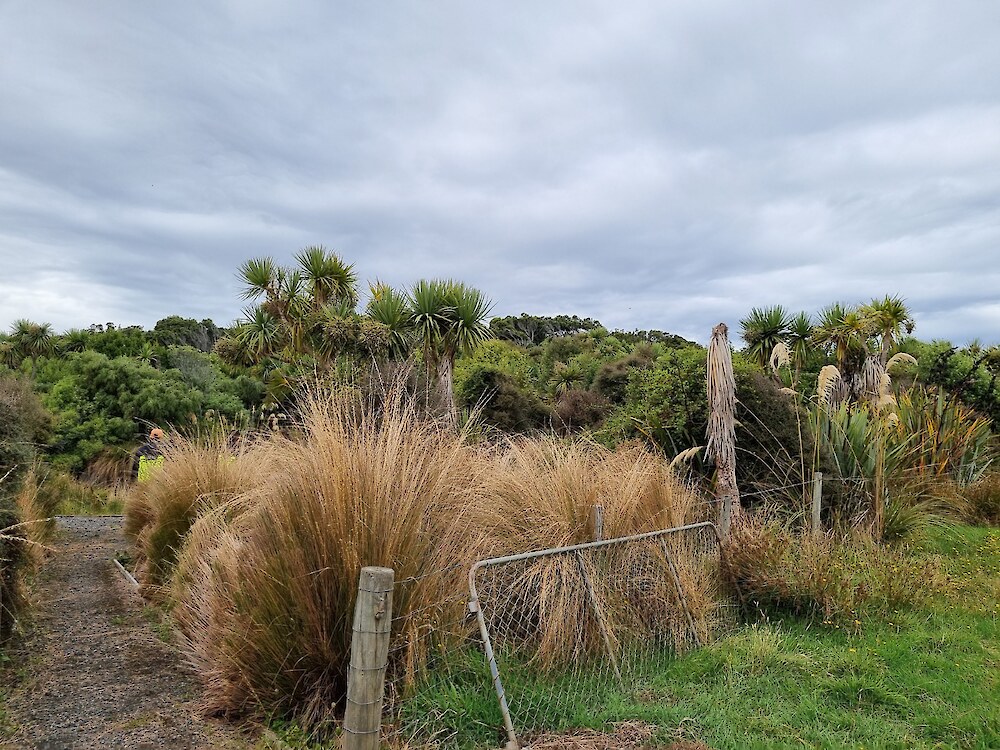
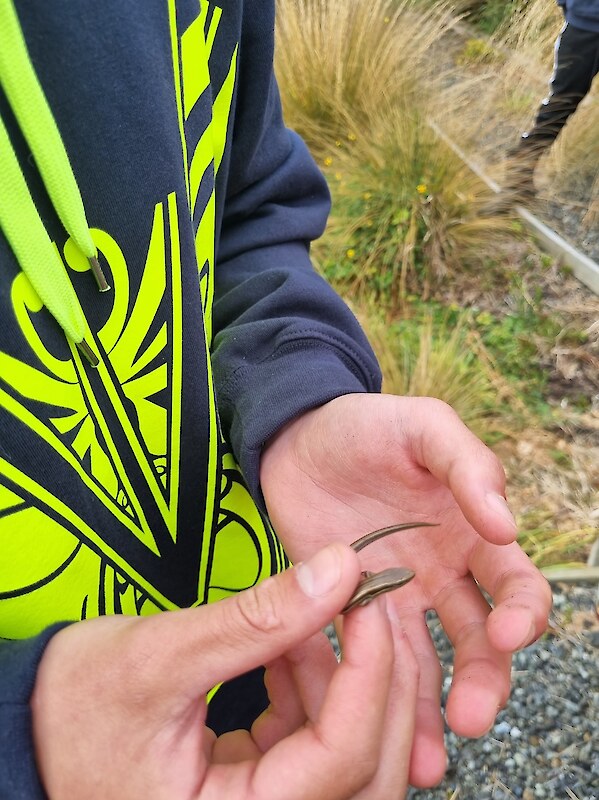
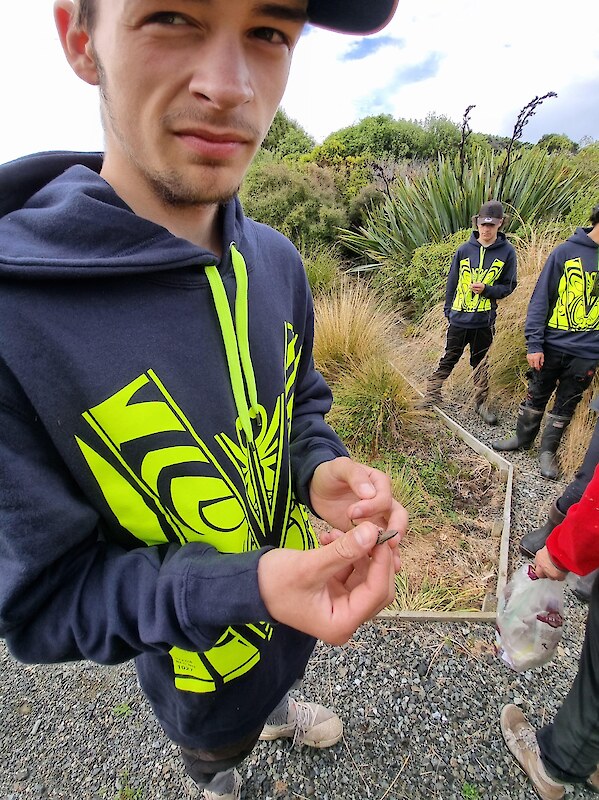
Chris took the tauira for a walk through the nursery showing the growth of certain plants which were part of last years seed collection, and how their aim for the community garden is to conserve southlands threatened plant life. She then showed the tauira the transformation that her and husband Brian have undergone to restore paddocks back into native forest, the selection of plants used in this restoration from native trees, shrubs, and wetland species. Also explaining how this process of re-colonising is called succession, and how this process can take many years before the transformation of a mature forest. On our trek, we ate berries from different Coprosma plant species, showed where and how to collect seeds, and even enjoyed seeing our very own Steve Irwin (Josh Aitken) catch a skink.

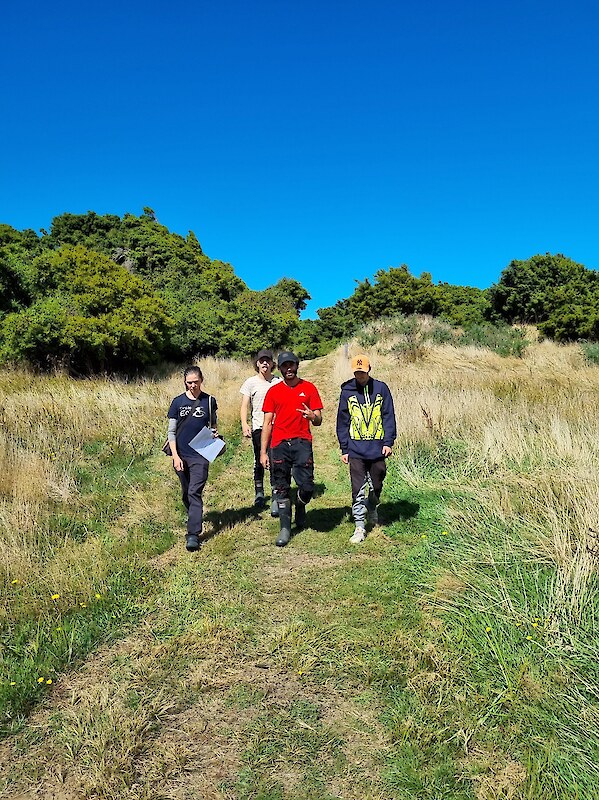
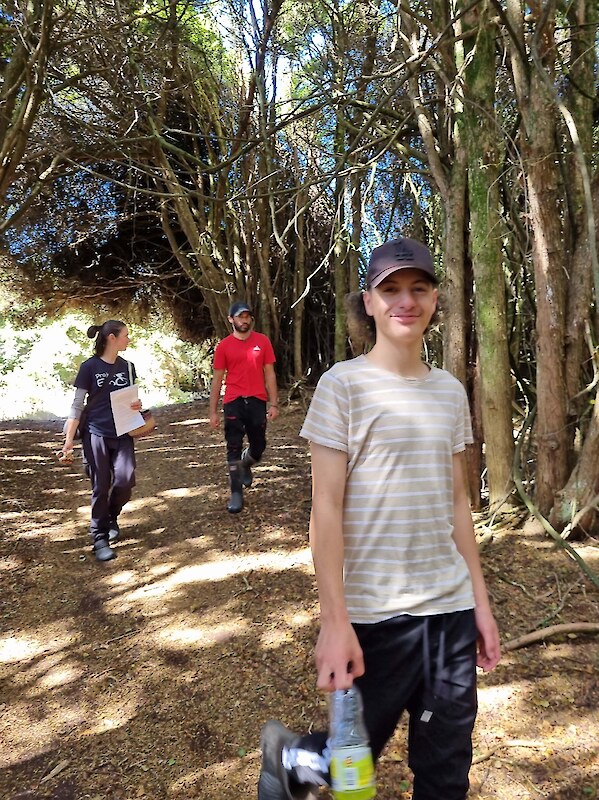
Later in the evening our crew joined forces with Jesse Bythell (QEII National Trust) and Penelope Gillette (DOC ecological expert) for a hīkoi through the Oreti Tōtara Dune Forest reserve. Jesse explained how the Native Forest Restoration Trust were able to secure this site. Sentre Harden was the most enthusiastic during our hīkoi, he really enjoyed being out in amongst the taiao. It was amazing seeing the contrasting areas as we explored, one second, you’re in the Tōtara forest learning about the soil being dry consolidated dunes, the importance of Tōtara to Māori for the construction of waka, to Mānuka shrubland in its early stages of forest regeneration.

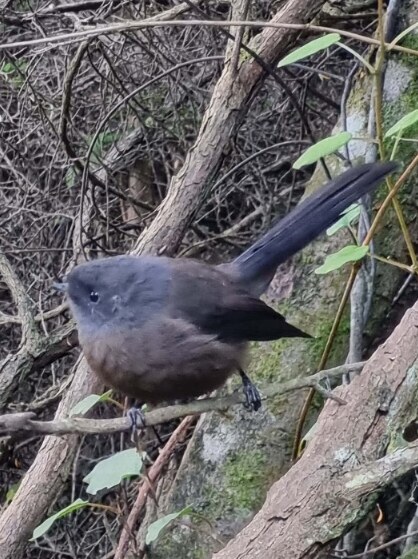
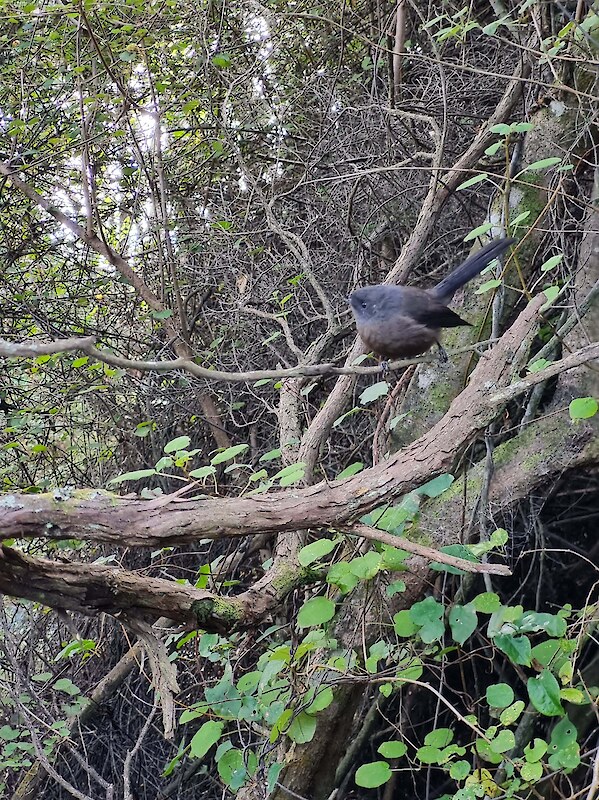
We saw a Giant scale insect found on a Mātai tree and gained another companion along the way being a black pīwakawaka (fantail).Our companion the black pīwakawaka (fantail)Our companion the black pīwakawaka (fantail)

There was just so much to learn and see, no matter how hard I try to recap, I will never do these amazing women justice by only mentioning a snippet of the knowledge bursting at the seams of these experts.

I would like to say a huge thank you to Chris Rance, Jesse Bythell and Penelope Gillette for taking time out of their busy schedule to educate us, share their passion, their knowledge, and their time.

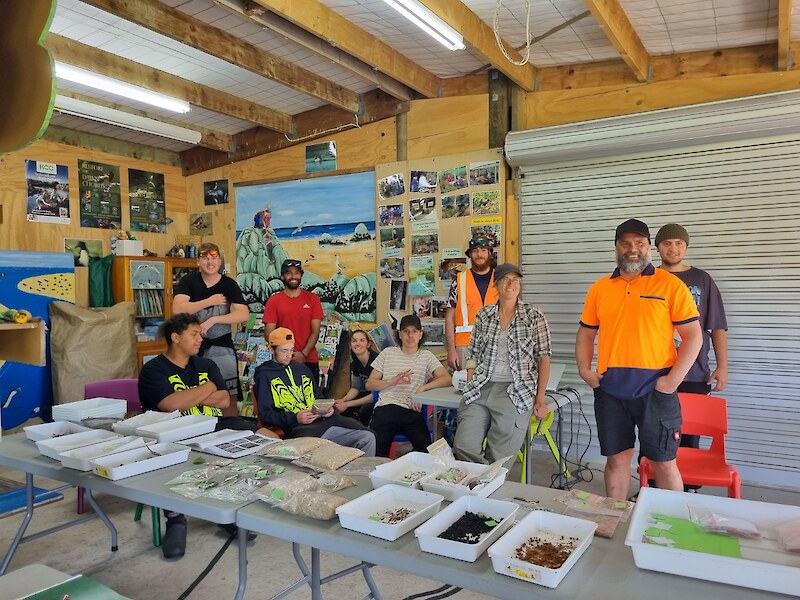
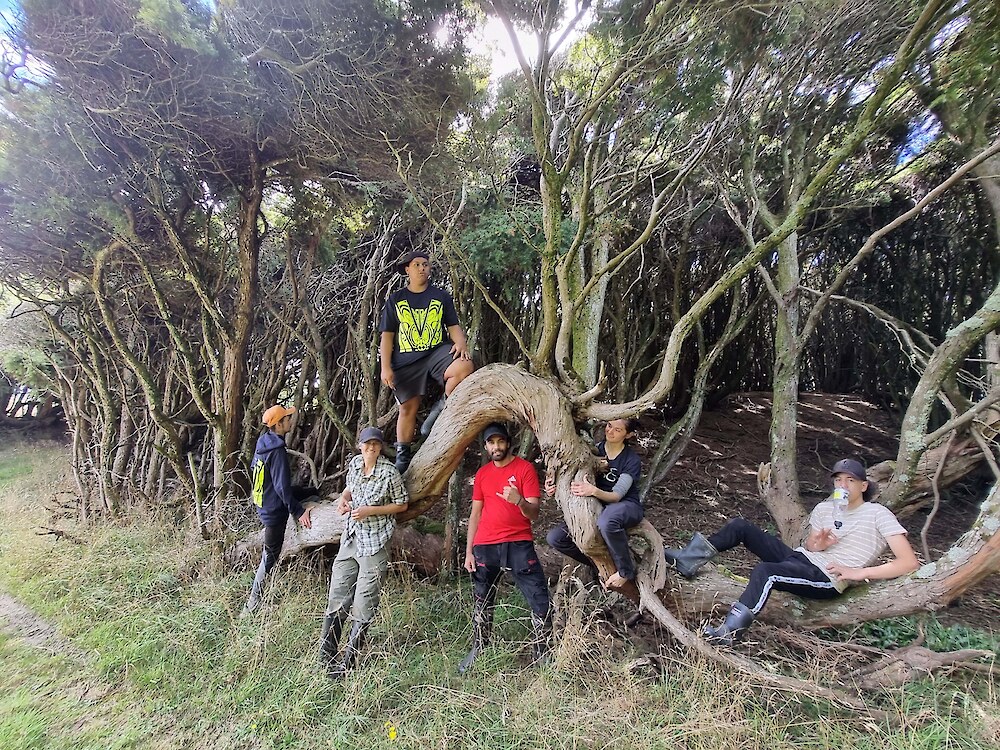
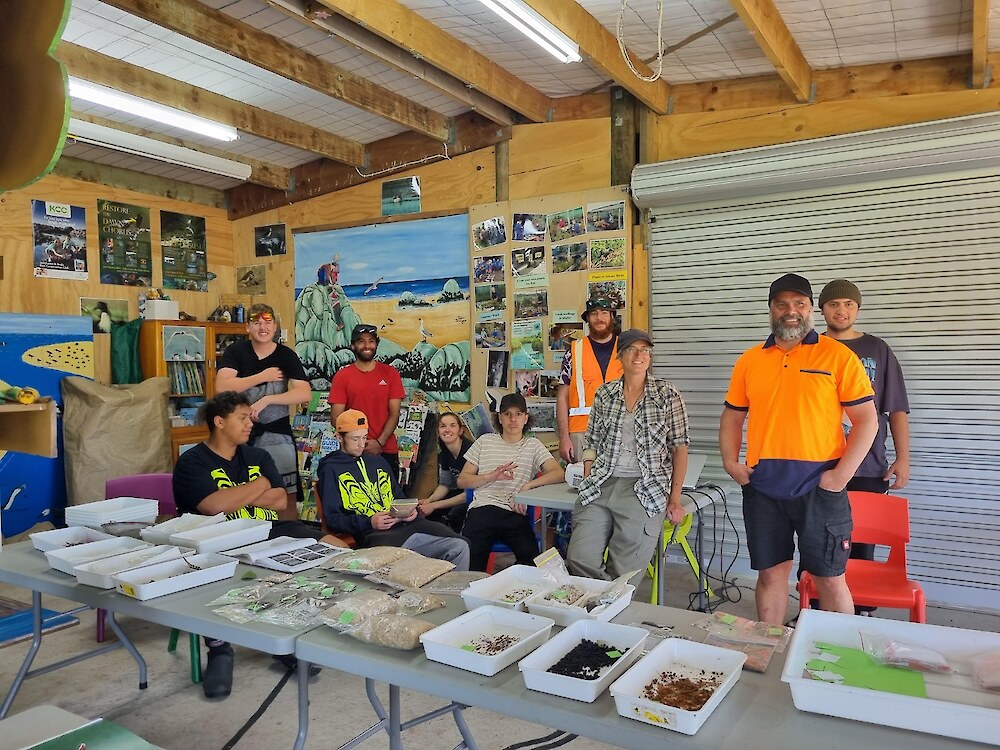
We concluded our day with a group photo of Kaitiaki tauira, Te Tapu o Tāne and our amazing experts.We concluded our day with a group photo of Kaitiaki tauira, Te Tapu o Tāne and our amazing experts.

Tauira and Anna pay close attention to slideshow given by Chris Rance.
Tauira investigating seeds.
Kaloni Taylor extracting makomako (wineberry) seeds.
Raniera Smyth extracting kōtukutuku (tree fuchsia) seeds.
Chris Rance showing tauira the process of drying seeds.
Land that has been restored to native forest.
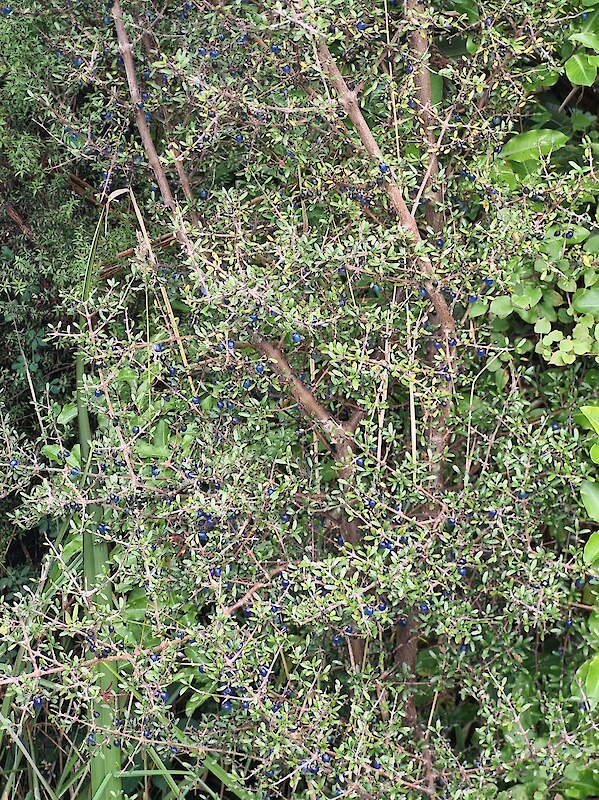
Mingimingi (Coprosma propinqua).
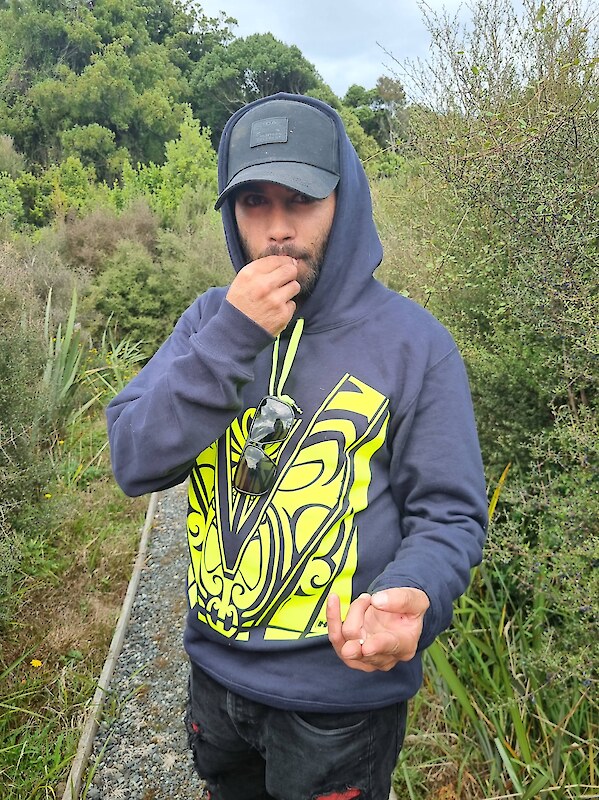
Raniera Smyth trying Mingimingi (Coprosma propinqua) and showing the seed in his other hand.
Tauira trying Mingimingi (Coprosma propinqua).
Our very own Steve Irwin (Josh Aitken) caught a Skink!
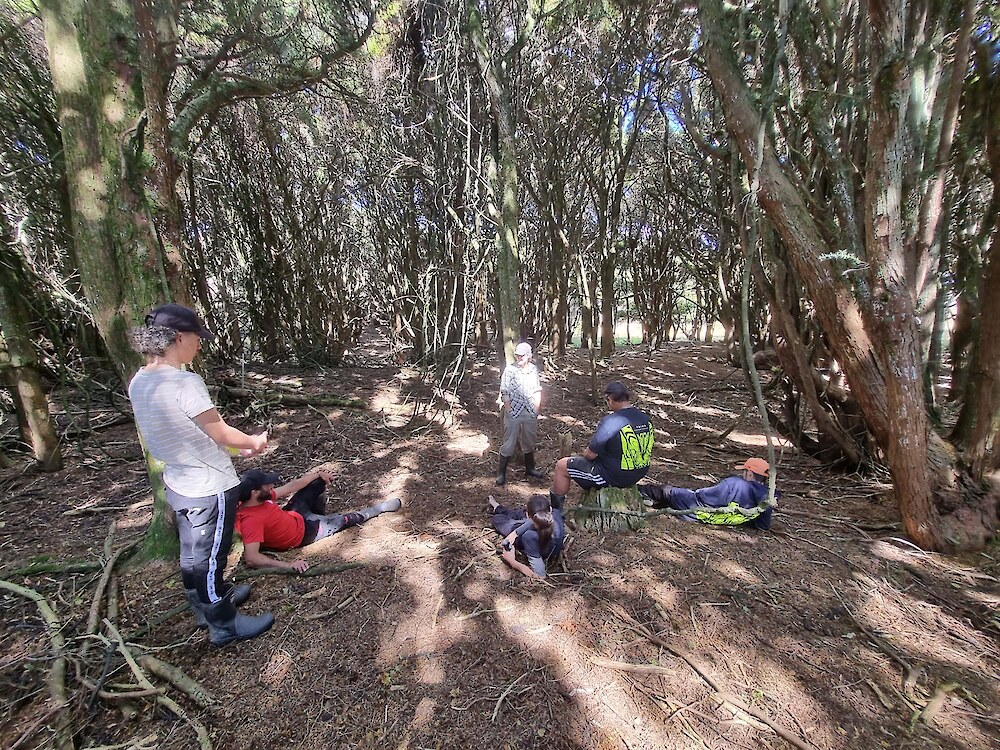
Oreti Tōtara Dune Forest reserve hīkoi.
Sentre Harden enthusiastically walking through Tōtara Forest.
Jesse Bythell sharing facts about the Tōtara Forest.
Group photo during hīkoi.
Our companion the black pīwakawaka (fantail).
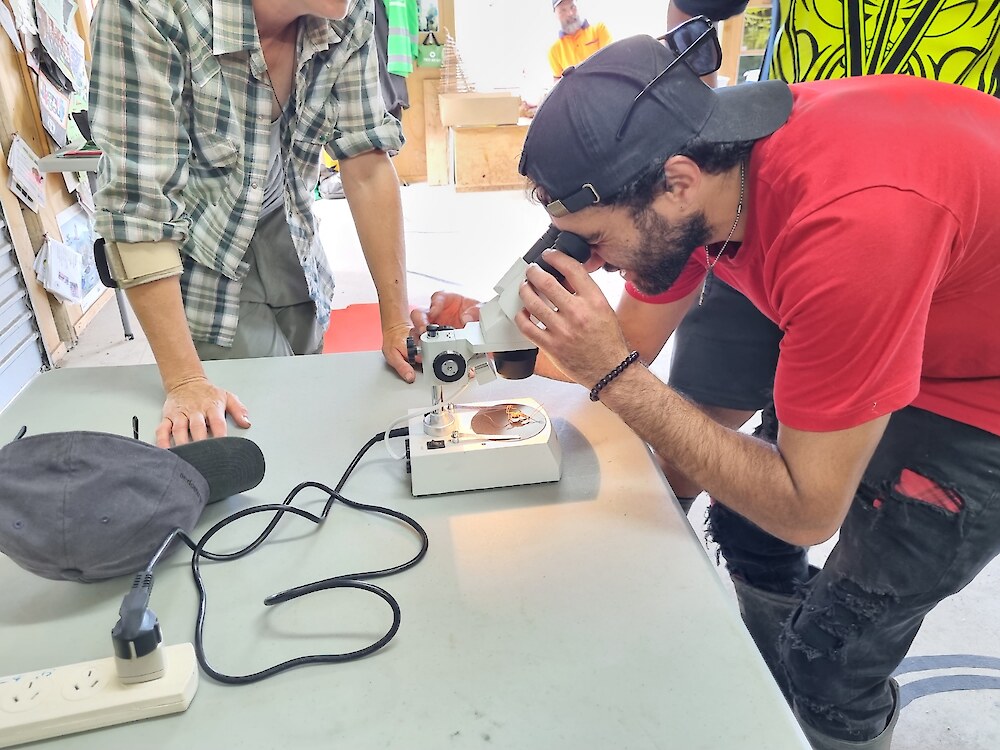
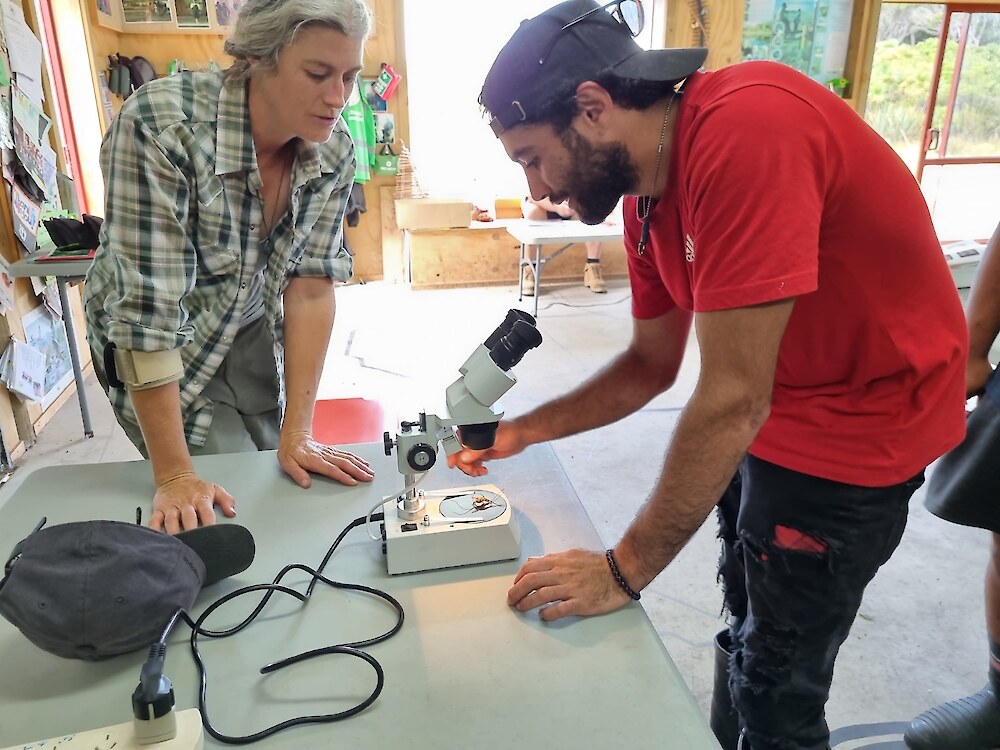
Raniera Smyth looking at an insect under microscope, with direction from Jesse Bythell.
We concluded our day with a group photo of Kaitiaki tauira, Te Tapu o Tāne and our amazing experts.

Posted: 17 March 2022

Prev page
Page 31 of 42
Next page

Also in this section

Pānui updates Photos
  • News
    • Pānui updates
    • Photos

© 2026 Hokonui Rūnanga • Website by RS

Facebook
  • Home
  • About us
    • Who we are
    • Murihiku Regeneration
      • Structure and context
      • Office of Upoko
    • Property assets
    • Find us
    • Job vacancies
  • Our history
    • Our whakapapa - a deep connection to this place
    • Wai and Whakapapa
    • The Battle of Waitaramea
    • Poupoutunoa and Kauwaewhakatoro
    • Two Rivers: Mataura (Mata Ura) and Clutha (Mata Au)
      • Mata Ura - Mataura River
      • Mata Au - Clutha River
  • Events & key dates
    • He Ao Hou - New Futures Murihiku Teacher PD Day
    • Energy and Innovation Wānanga 2024
    • Energy and Innovation Expo 2023
      • He Ao Hou - New Futures Murihiku 22 May
      • Live Streaming of Wānanga 23 and 24 May
      • Hosts and Key Speakers 23-24 May
      • Energy and Innovation presentations - 23 May
        • Opening Addresses
        • Global Session
        • Empowering partnerships: government's role in Aotearoa's energy transition
        • Climate Economics
        • Regional Infrastructure
        • Social regeneration and innovation
        • Regional Innovation
        • The importance of the Māori economy through this change
      • Energy and Innovation presentations - 24 May
        • Regional Leadership Panel
        • Regional Plans and Priorities
        • Southern Green Hydrogen
        • Tiwai Smelter Future
        • Southland Aquaculture
        • Regional Case Studies: Decarbonisation
        • Innovation and Bluff Re-imagining
        • Confirming Priorities: wrap-up and closing
    • Science and Innovation Wānanga 2021
    • Energy, Infrastructure and Opportunities Wānanga 2026
  • Education & training
    • Education - Hokonui Rohe Team
    • Te Ara Aukati Kore - Education, Training, and Capability
      • Kia Tū Pathway Planning Programme
        • Kia Tū in schools
        • Kia Tū Tertiary Pathway Programme
        • Meet Your Kaiako - SIT Campus
      • Anamata Māia: Bold, Confident Futures Service
        • Our Kaimahi - Staff
      • Penapena Ā Kura: School Attendance Service
      • Te Aka Whai Mahi: Find Your Path
      • He Ao Hou: New Futures Murihiku
    • Have your say!
  • Environment
    • Kaupapa Taiao - Hokonui Floriculture
    • Taonga Research
      • Kanakana Research
      • Our research partners
    • Southern Ocean - Murihiku ki te Tonga
    • Energy Transition Programme
      • Regional Energy Action Plan - Towards 2030
      • Energy Transition Plan for Murihiku-Southland
      • Hydrogen and Green Energy
      • Tiwai Point
    • Te Tapu o Tāne
    • Our Kaimahi - Staff
  • Health & wellbeing
    • Whānau Ora Navigators
    • Community youth worker and advocacy service
    • Hokonui Community-Led Health
    • Kaumatua Health Days
    • Te Kakano - Nurse-led Clinics
    • Our Kaimahi - Staff
    • Hokonui Takiwā Health and Wellbeing Village of Support
    • Referral form
    • COVID-19
  • News
    • Pānui updates
    • Photos
  • Contact us
    • Register
  • Facebook
  • Search...