Hokonui Rūnanga Register
  • About us
    • Who we are
    • Murihiku Regeneration
    • Property assets
    • Find us
    • Job vacancies
  • Our history
    • Our whakapapa - a deep connection to this place
    • Wai and Whakapapa
    • The Battle of Waitaramea
    • Poupoutunoa and Kauwaewhakatoro
    • Two Rivers: Mataura (Mata Ura) and Clutha (Mata Au)
  • Events & key dates
    • He Ao Hou - New Futures Murihiku Teacher PD Day
    • Energy and Innovation Wānanga 2024
    • Energy and Innovation Expo 2023
    • Science and Innovation Wānanga 2021
    • Energy, Infrastructure and Opportunities Wānanga 2026
  • Education & training
    • Education - Hokonui Rohe Team
    • Te Ara Aukati Kore - Education, Training, and Capability
    • Have your say!
  • Environment
    • Kaupapa Taiao - Hokonui Floriculture
    • Taonga Research
    • Southern Ocean - Murihiku ki te Tonga
    • Energy Transition Programme
    • Te Tapu o Tāne
    • Our Kaimahi - Staff
  • Health & wellbeing
    • Whānau Ora Navigators
    • Community youth worker and advocacy service
    • Hokonui Community-Led Health
    • Kaumatua Health Days
    • Te Kakano - Nurse-led Clinics
    • Our Kaimahi - Staff
    • Hokonui Takiwā Health and Wellbeing Village of Support
    • Referral form
    • COVID-19
  • News
    • Pānui updates
    • Photos
  • Contact us
    • Register
  1. Home
  2. News

News

Seed Collection Wānanga

By Tegan Ramage

Hidden in Otatara, an outer suburb of Invercargill you can find two hidden gems, the Southland Community Nursery owned andTauira and Anna pay close attention to slideshow given by Chris Rance.Tauira and Anna pay close attention to slideshow given by Chris Rance. operated by Chris and Brian Rance, and the Oreti Tōtara Dune Forest reserve. We were lucky to attend both for a seed collection wānanga and also to have been joined by Te Tapu o Tāne crew! Even if this reunion was short lived before parting ways for the day.
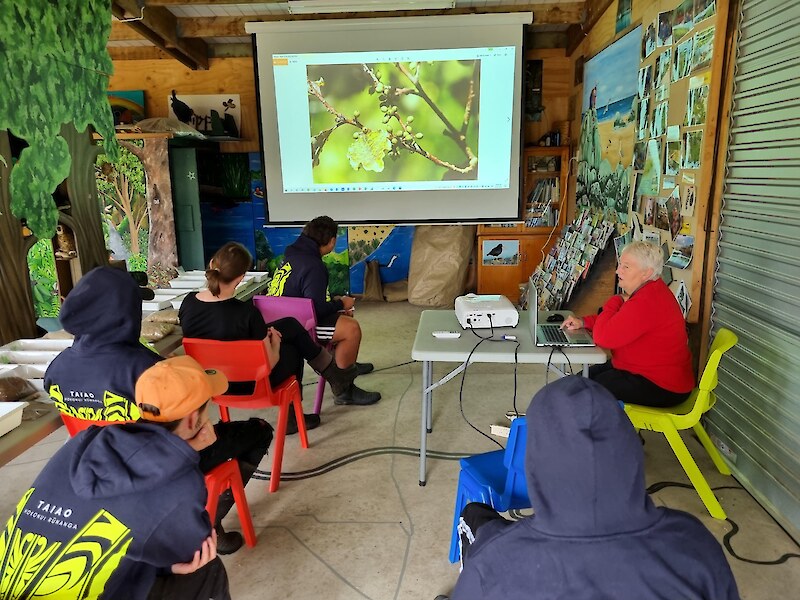
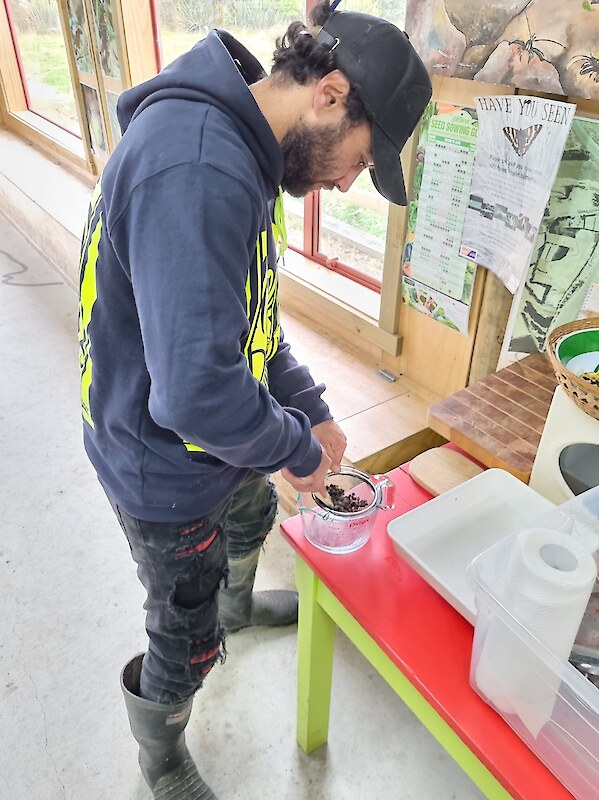
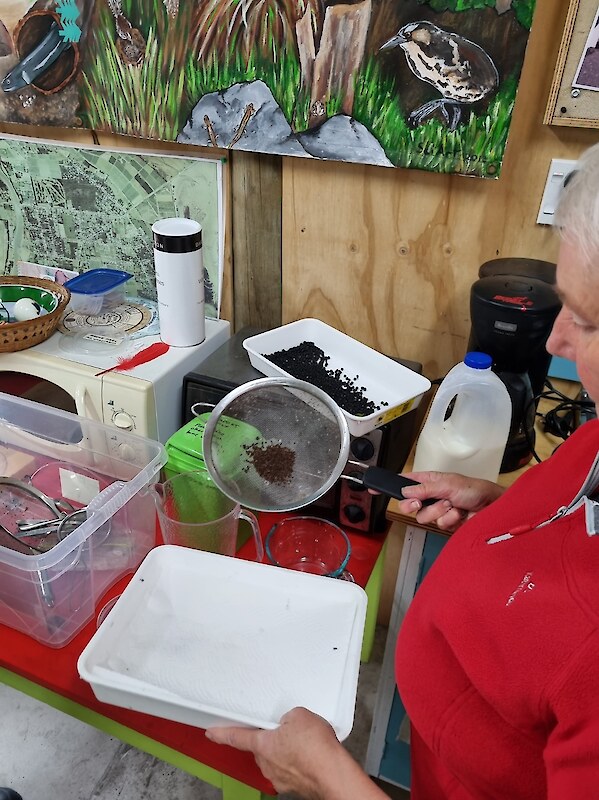
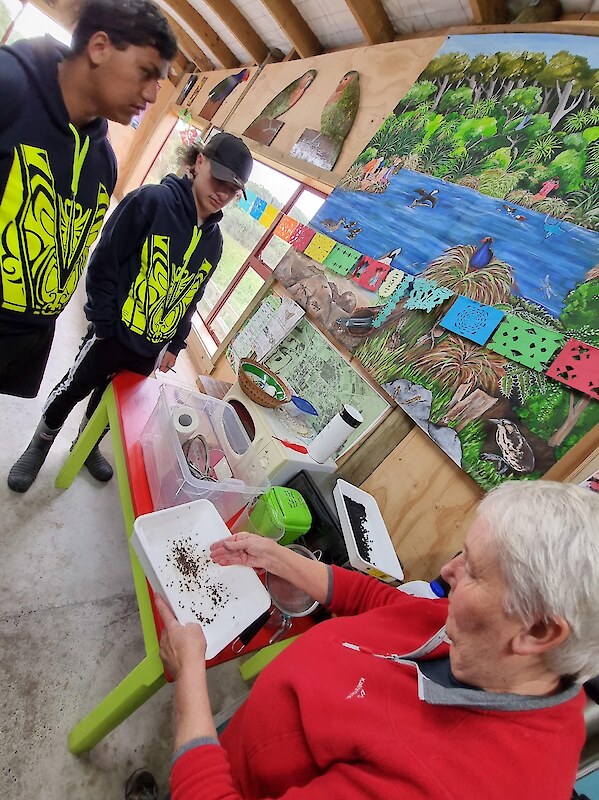
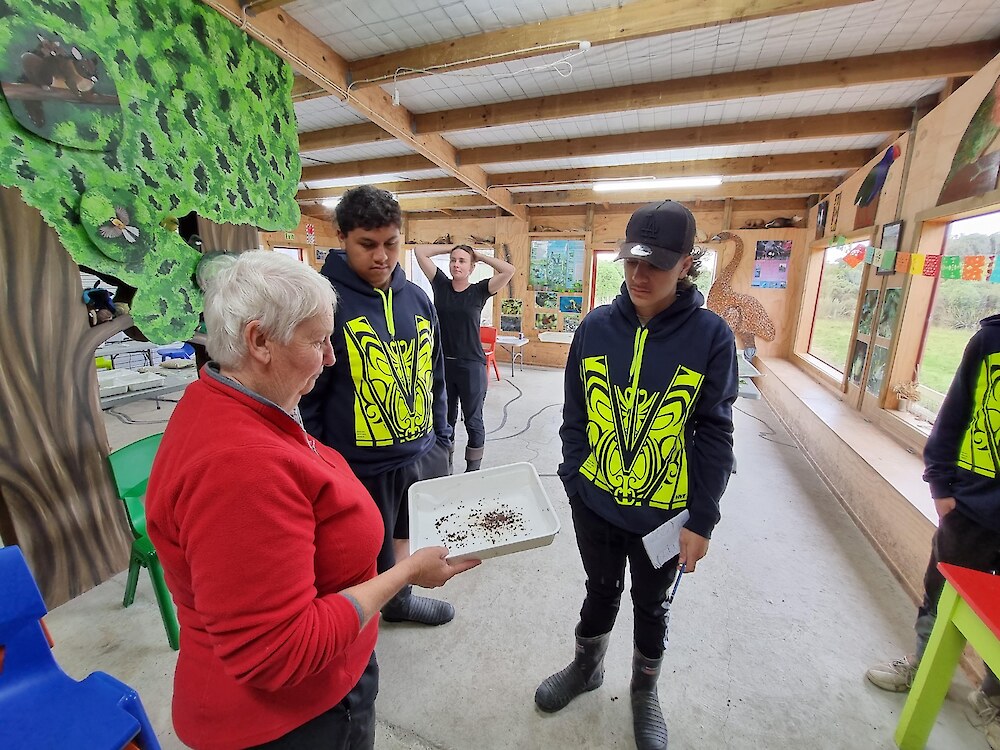
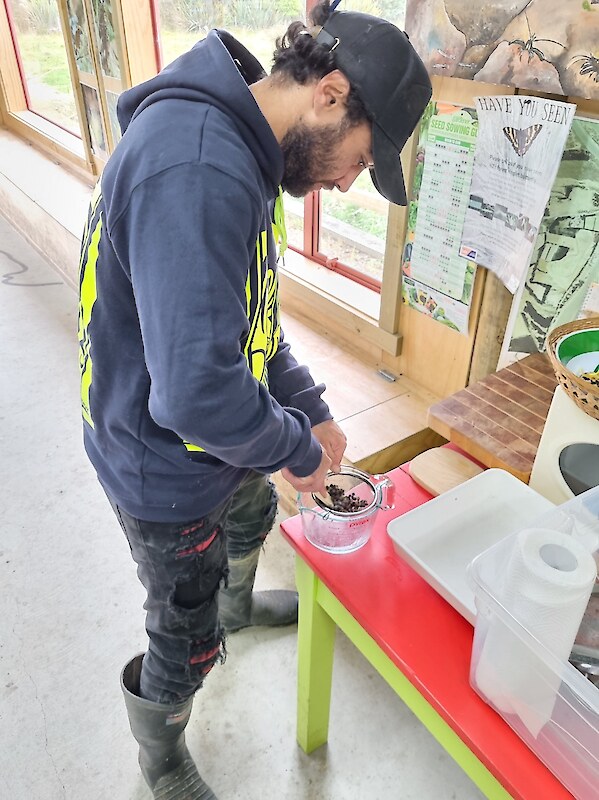
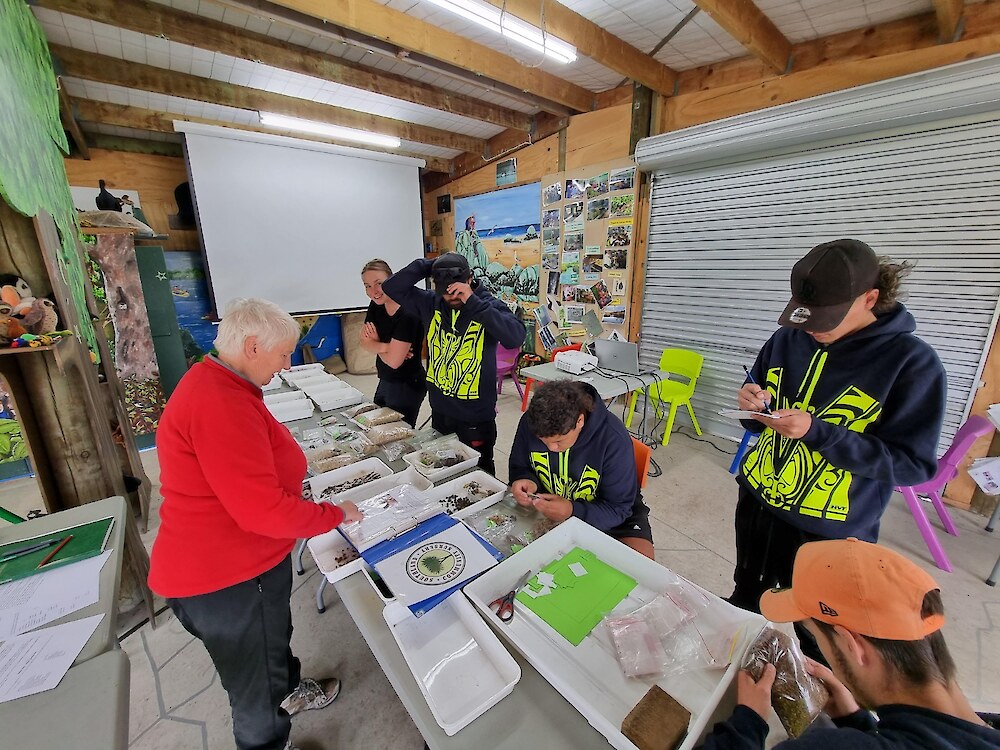
Left in the care of Chris Rance (Manager of the Southland Community Nursery), our tauira begun the day in the nursery workshop with a quick-fire round of introductions, then straight into it with a slideshow. It showed locally sourced plant life found on Chris’s recent venture to Bluff, where she explained how to differentiate between the different types of vegetation, their names, and what the seeds look like. We gathered around the table, which had a variety of seed types ranging in size, shape, and texture for the boys to investigate. Kaloni Taylor extracted makomako (wineberry) seeds, and Raniera Smyth chose kōtukutuku (tree fuchsia), which he instantly regretted because he said, “they stunk”.Raniera Smyth extracting kōtukutuku (tree fuchsia) seeds.Raniera Smyth extracting kōtukutuku (tree fuchsia) seeds.
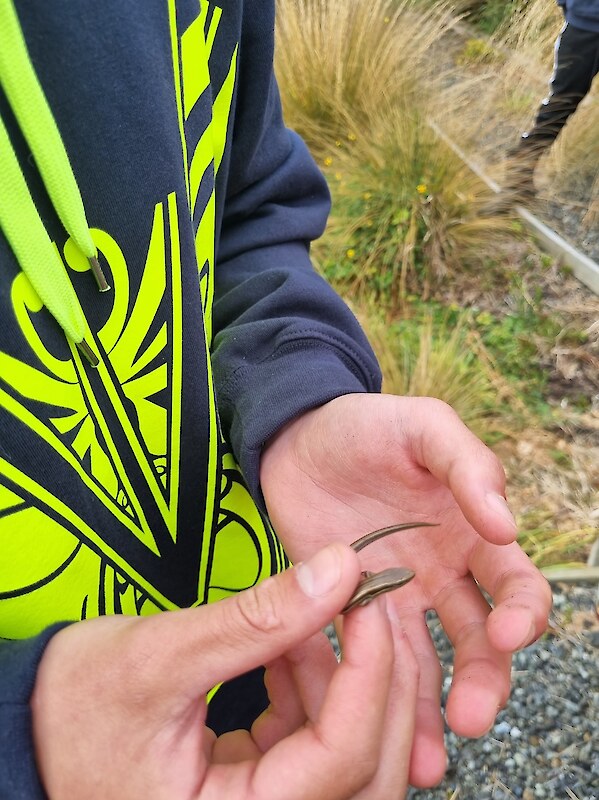
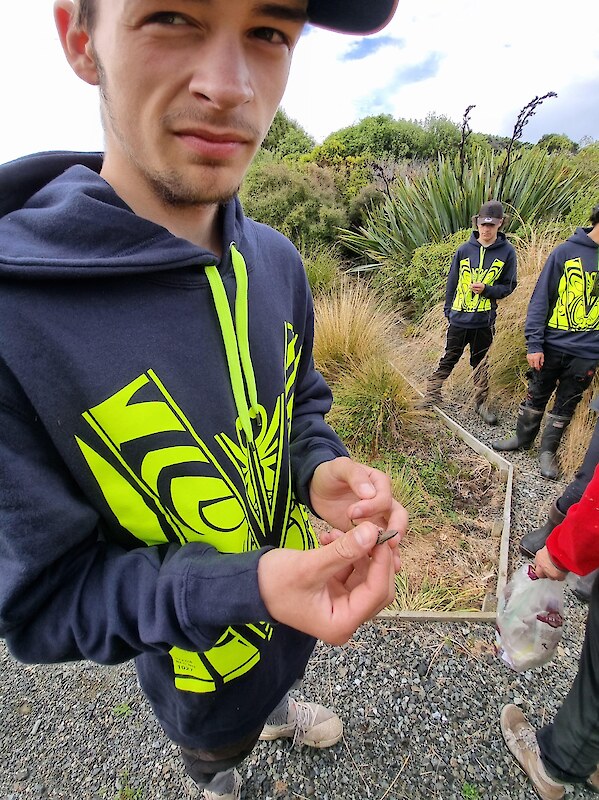
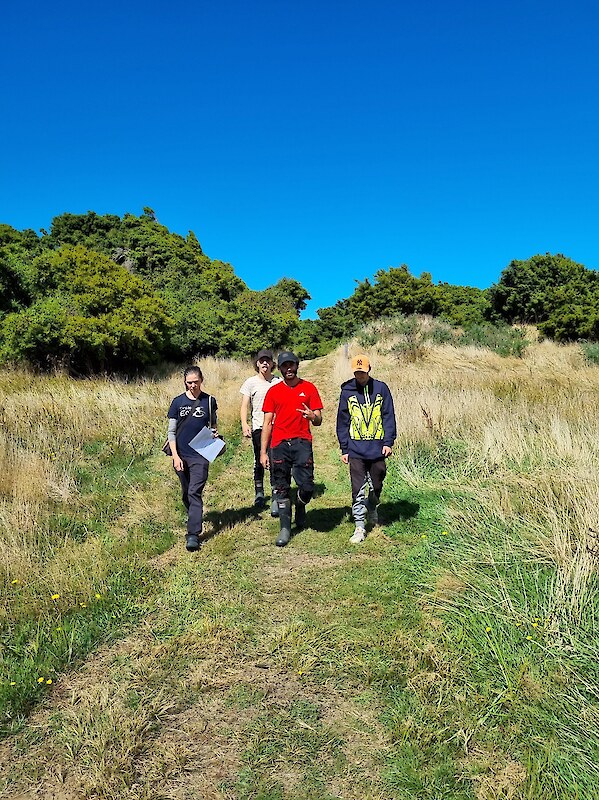
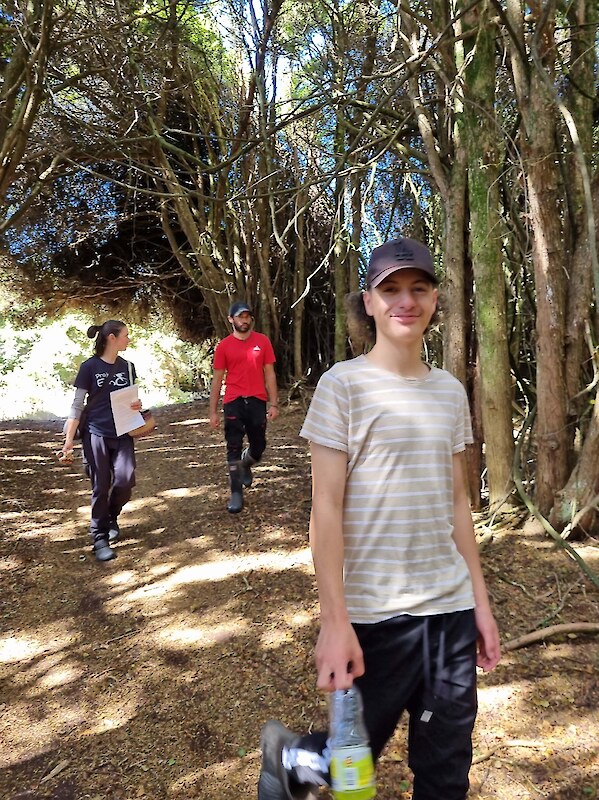
Chris took the tauira for a walk through the nursery showing the growth of certain plants which were part of last years seed collection, and how their aim for the community garden is to conserve southlands threatened plant life. She then showed the tauira the transformation that her and husband Brian have undergone to restore paddocks back into native forest, the selection of plants used in this restoration from native trees, shrubs, and wetland species. Also explaining how this process of re-colonising is called succession, and how this process can take many years before the transformation of a mature forest. On our trek, we ate berries from different Coprosma plant species, showed where and how to collect seeds, and even enjoyed seeing our very own Steve Irwin (Josh Aitken) catch a skink.

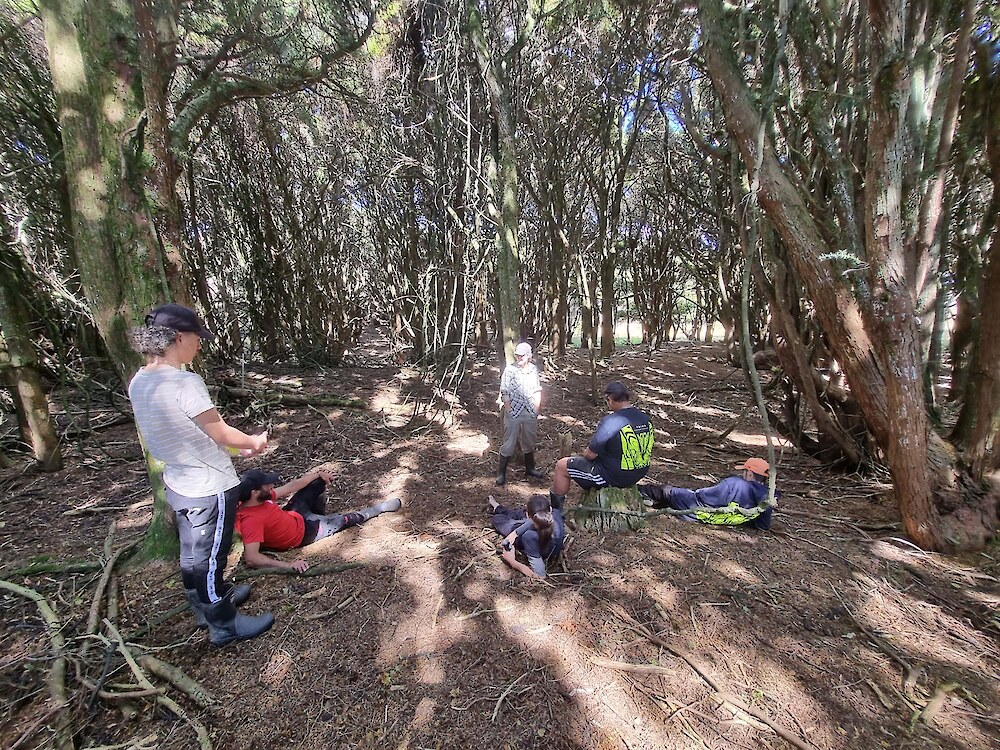
Later in the evening our crew joined forces with Jesse Bythell (QEII National Trust) and Penelope Gillette (DOC ecological expert) for a hīkoi through the Oreti Tōtara Dune Forest reserve. Jesse explained how the Native Forest Restoration Trust were able to secure this site. Sentre Harden was the most enthusiastic during our hīkoi, he really enjoyed being out in amongst the taiao. It was amazing seeing the contrasting areas as we explored, one second, you’re in the Tōtara forest learning about the soil being dry consolidated dunes, the importance of Tōtara to Māori for the construction of waka, to Mānuka shrubland in its early stages of forest regeneration.

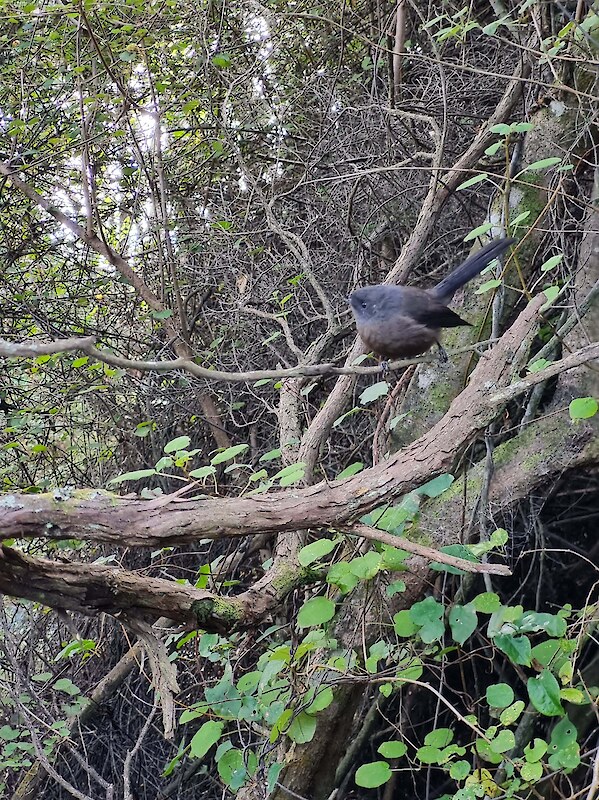
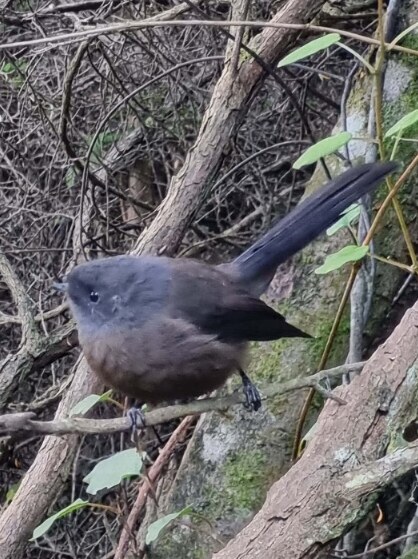
We saw a Giant scale insect found on a Mātai tree and gained another companion along the way being a black pīwakawaka (fantail).Our companion the black pīwakawaka (fantail)Our companion the black pīwakawaka (fantail)
There was just so much to learn and see, no matter how hard I try to recap, I will never do these amazing women justice by only mentioning a snippet of the knowledge bursting at the seams of these experts.

I would like to say a huge thank you to Chris Rance, Jesse Bythell and Penelope Gillette for taking time out of their busy schedule to educate us, share their passion, their knowledge, and their time.
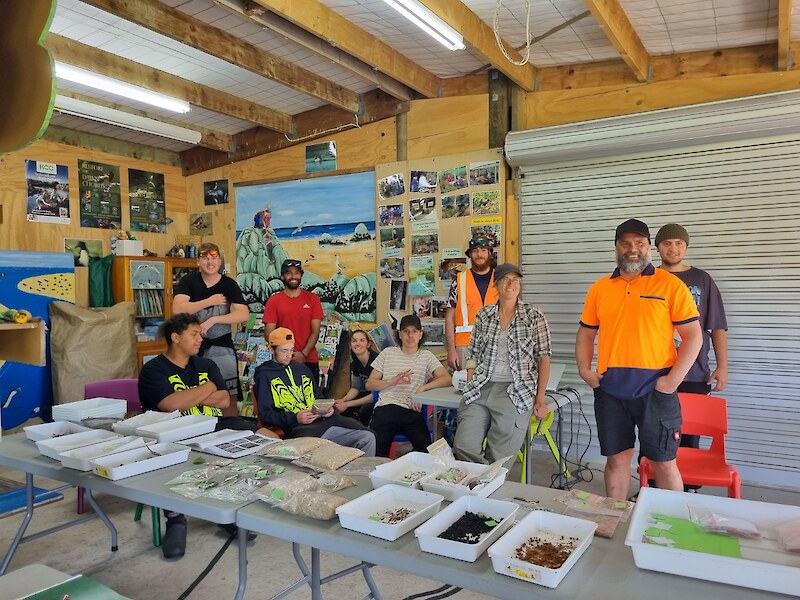
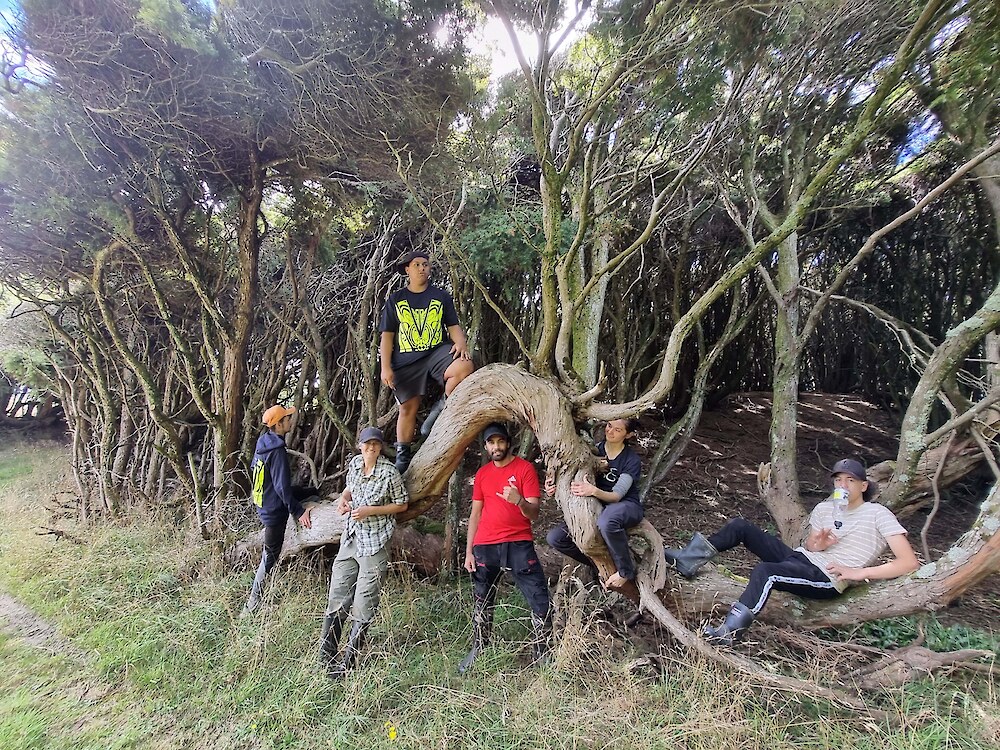
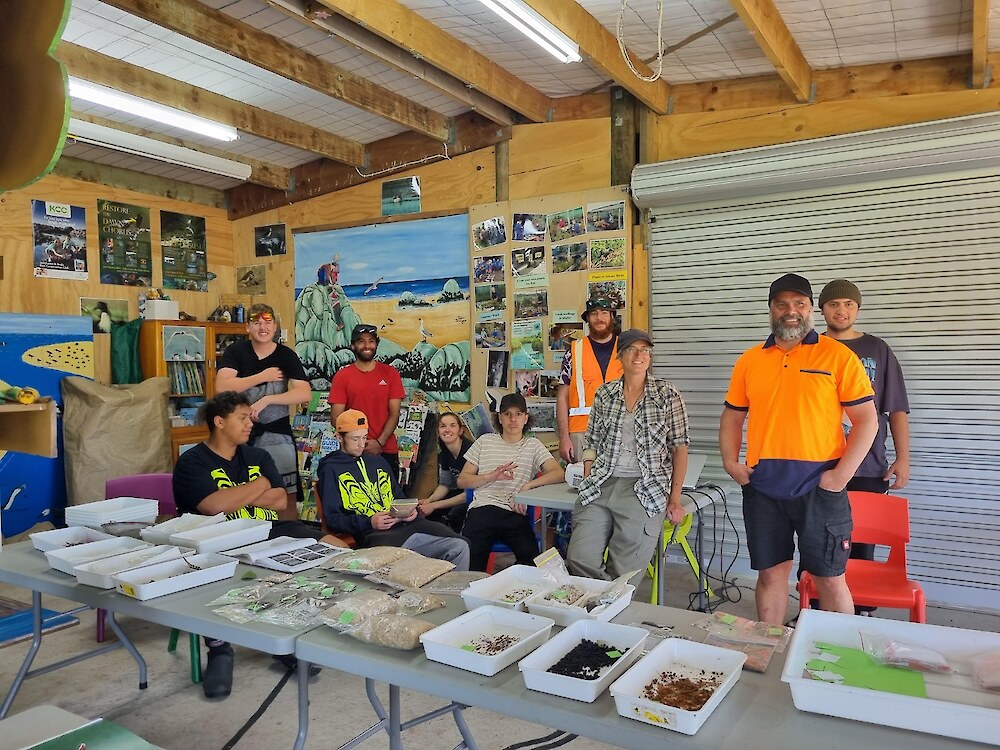
We concluded our day with a group photo of Kaitiaki tauira, Te Tapu o Tāne and our amazing experts.We concluded our day with a group photo of Kaitiaki tauira, Te Tapu o Tāne and our amazing experts.
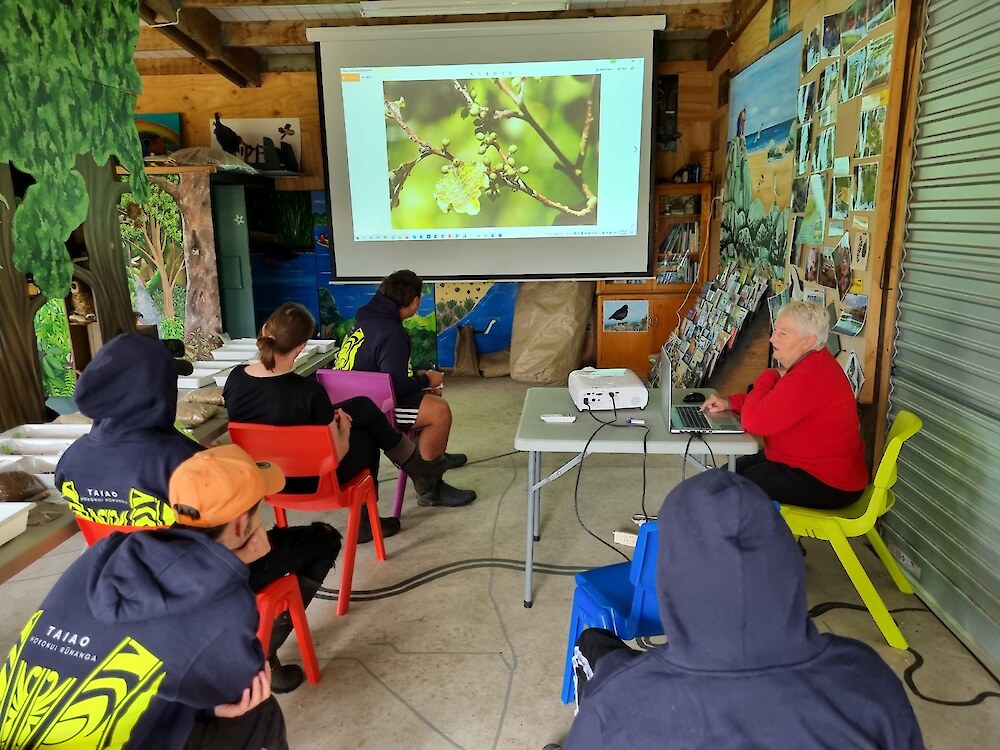
Tauira and Anna pay close attention to slideshow given by Chris Rance.
Tauira investigating seeds.
Kaloni Taylor extracting makomako (wineberry) seeds.
Raniera Smyth extracting kōtukutuku (tree fuchsia) seeds.
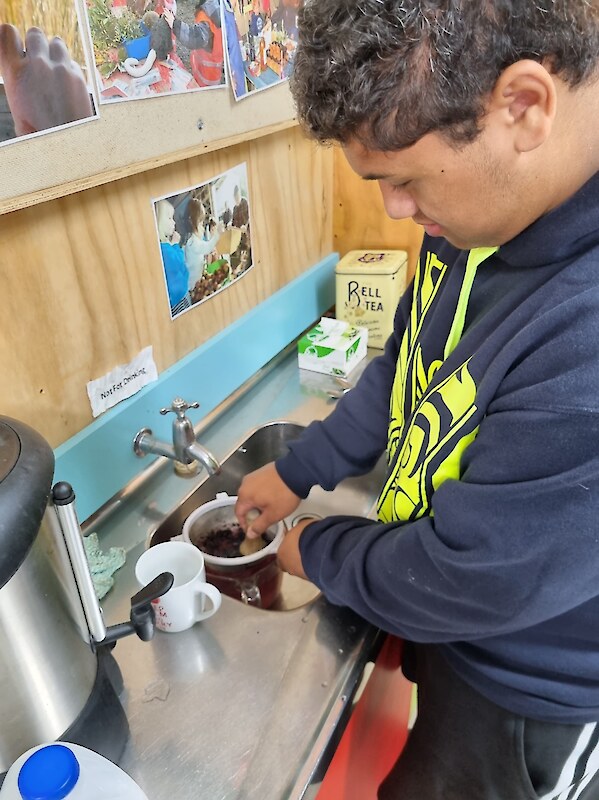
Chris Rance showing tauira the process of drying seeds.
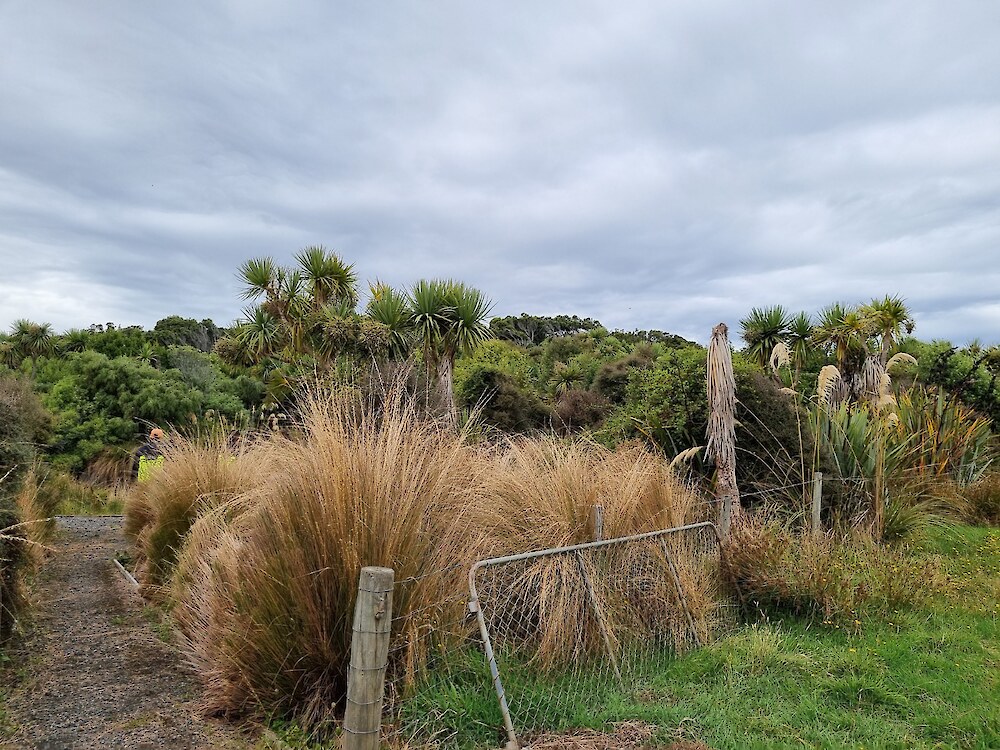
Land that has been restored to native forest.
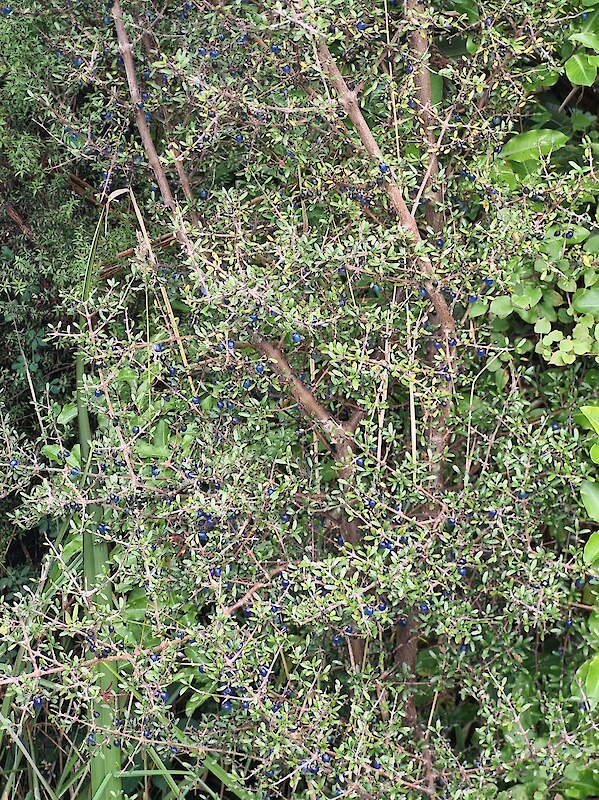
Mingimingi (Coprosma propinqua).
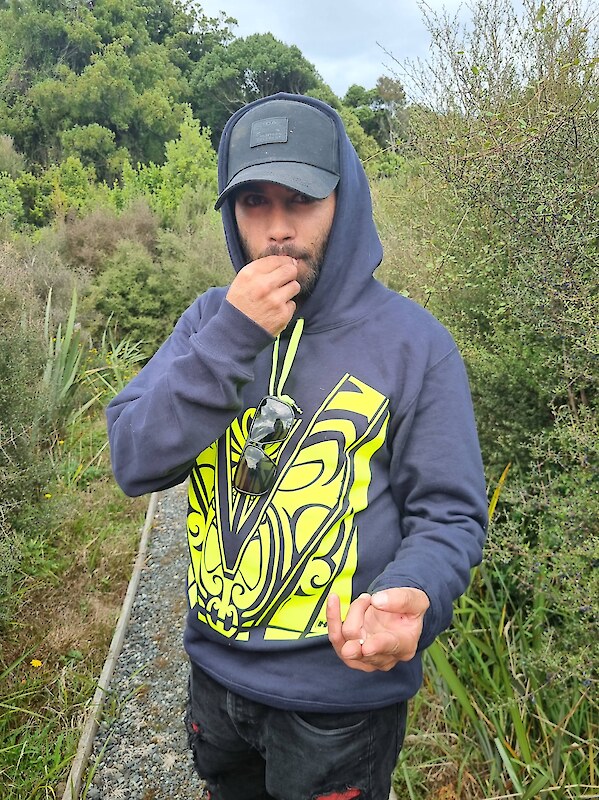
Raniera Smyth trying Mingimingi (Coprosma propinqua) and showing the seed in his other hand.
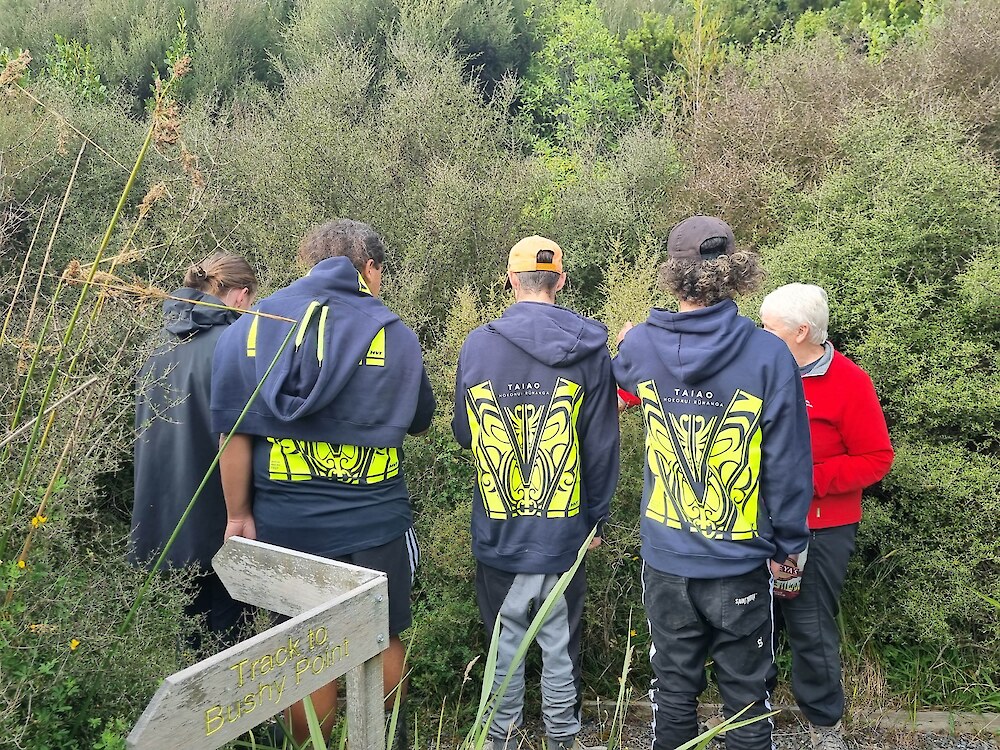
Tauira trying Mingimingi (Coprosma propinqua).
Our very own Steve Irwin (Josh Aitken) caught a Skink!
Oreti Tōtara Dune Forest reserve hīkoi.
Sentre Harden enthusiastically walking through Tōtara Forest.
Jesse Bythell sharing facts about the Tōtara Forest.
Group photo during hīkoi.
Our companion the black pīwakawaka (fantail).
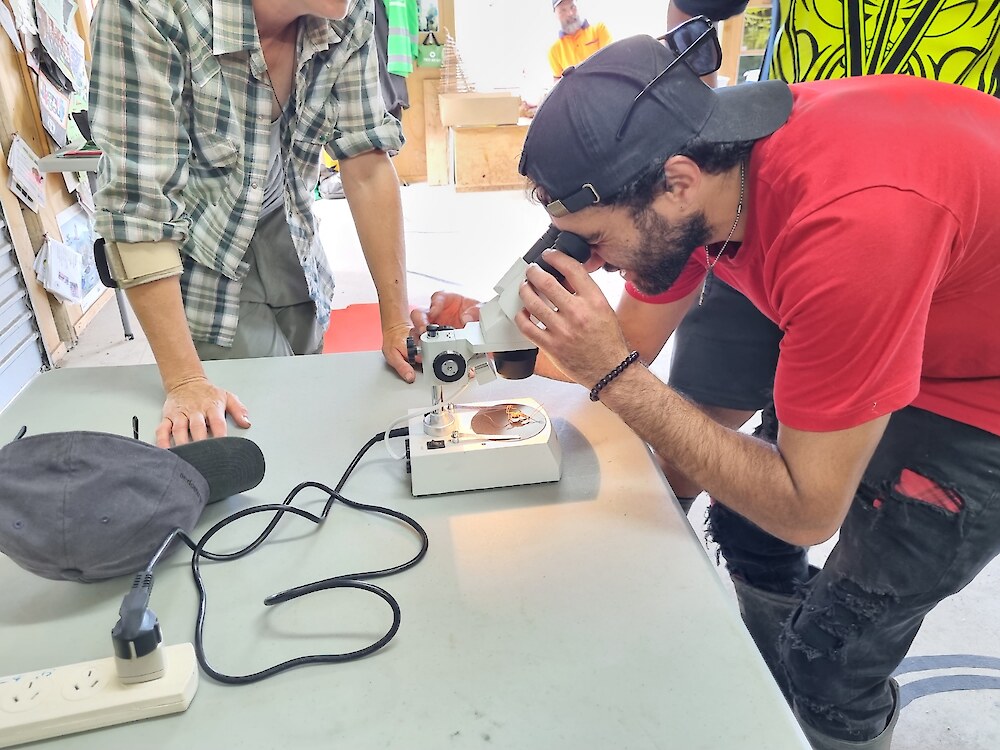
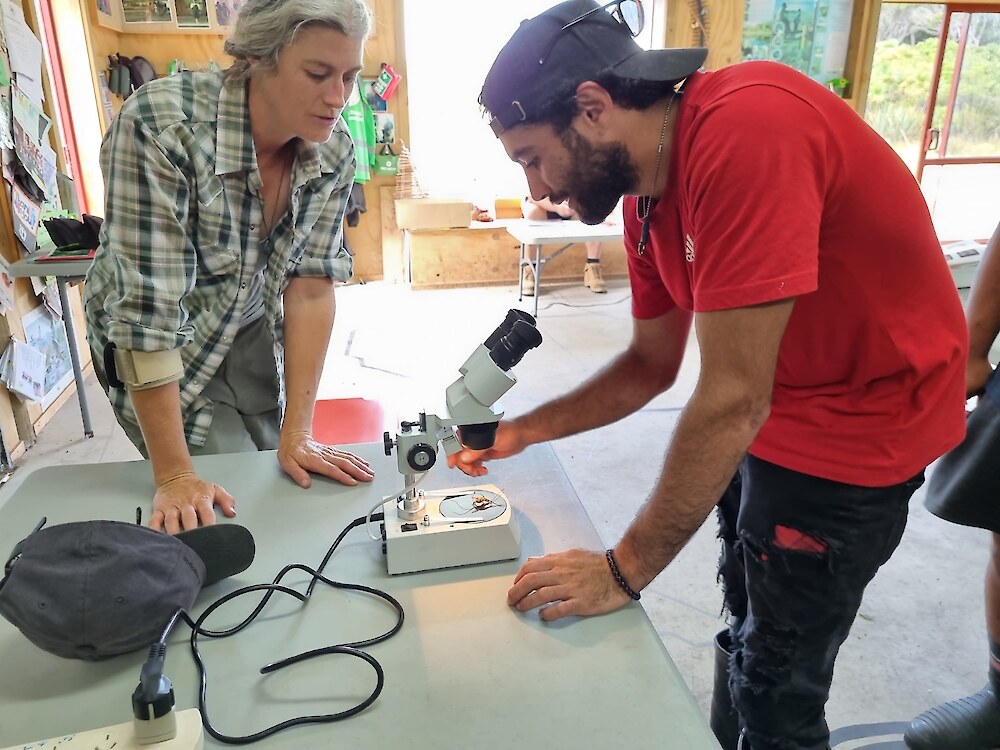
Raniera Smyth looking at an insect under microscope, with direction from Jesse Bythell.
We concluded our day with a group photo of Kaitiaki tauira, Te Tapu o Tāne and our amazing experts.
Posted: 17 March 2022
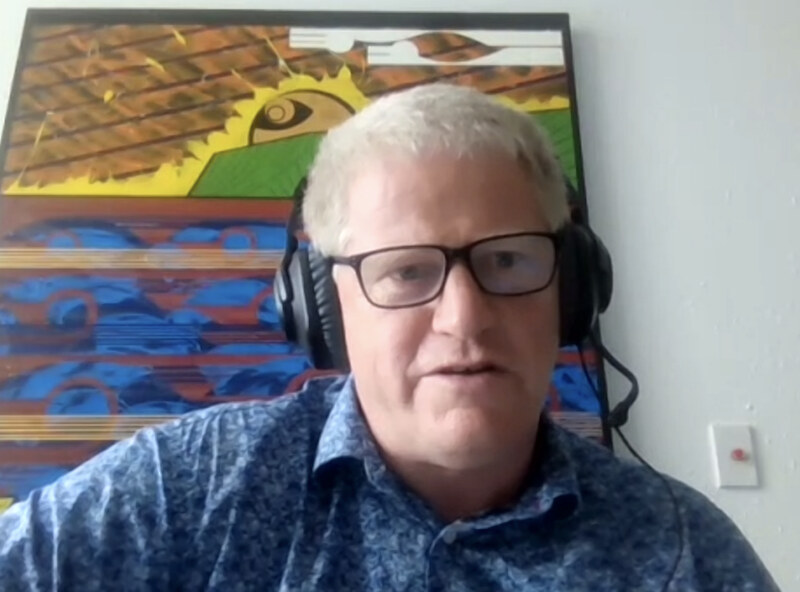
First Hui for Clean Energy Working Group

On Thursday 10 March, we kicked off with the first meeting of the Clean Energy Working Group, led through Murihiku Regeneration. Clean Energy project lead Mike Shatford speaking at the Working Group hui last Thursday.Clean Energy project lead Mike Shatford speaking at the Working Group hui last Thursday.

The purpose of the work is to sit alongside the Tiwai Futures and Green Energy work underway within Murihiku Regeneration. This specific work will look at regional priorities and projects for consideration first by the Just Transitions Enduring Oversight Group member (made up of regional leaders), and then to then go to the Ministry of Business, Innovation and Employment for prioritisation, and then to Minister Megan Woods to consider and present to Cabinet later this year. To support this work, a final report will be delivered to government by late August 2022.

Our Sponsor - Tā Tipene ORegan - Upoko o Awarua, has focused and challenged the group to look at projects which are regenerative, transformative, and which will support successive generations at a local community, regional and work in the national interest. High on the list will be consideration of ‘green’ energy projects - including new generation, production and storage, marine energy, distribution and process heat projects.

Our Working Group Chair - Eric Roy along with Murihiku Regeneration Portfolio Director - Terry Nicholas from Hokonui Rūnanga - is leading a diverse group of national, regional level leaders with strong engagement and input from Murihiku Hapū, to develop and support an approach which will help enable the transition away from fossil fuels.

The group will be focused on high value opportunities that can be developed and delivered in the near future - and help activate and speed up the renewables transition. We will also be looking at activating the ecosystem needed to rapidly supprt this transformation- and decide where we need to really focus.

We will be providing details of the working group mahi, background on the membership, and enable contribution and comments from Murihiku whānui and the wider community on projects and priorities to the various sector leads as they identify priorities.

Posted: 14 March 2022

Energy News: Green Hydrogen Push Gaining Momentum

Article by Greta Yeoman

World’s biggest electrolyser factory?

Fortescue Future Industries – the green energy arm of mining giant Fortescue Metals Group – has started building an electrolyser production factory in Gladstone, Queensland. It will be the largest electrolyser plant in the world, FFI says.

The plant will be developed in partnership with US hydrogen fuel cell manufacturer Plug Power Inc.

This is the first stage of FFI’s planned green energy manufacturing centre, which will also later produce green technology such as cables, batteries, wind turbines and solar panels.

The company says the first electrolysers will begin rolling off the production line next year.

FFI says the electrolyser facility will have an initial capacity of 2 GW a year – more than doubling current global production, and enough to produce more than 200,000 tonnes of green hydrogen each year.

FFI is targeting the production of 15 million tonnes of green hydrogen per year by 2030. It says this is equivalent to removing 60 million diesel cars off the road this decade.

Cheaper grid access for H2

A new report suggests European nations could waive connection fees for electrolysis plants connected to the electricity grid to reduce green hydrogen production costs – an idea that India has just announced it will implement.

UK energy research organisation Aurora Energy says transmission costs, along with variable power prices, make green hydrogen more expensive for producers connected to the grid. It recommends waiving transmission or connection fees.

Despite high gas prices and carbon costs, ‘blue’ hydrogen is expected to remain cheaper to produce than green hydrogen across most of Europe for at least the next decade, according to Aurora.

S&P Platts says UK green hydrogen cost an average of US$18.47/kg (from alkaline electrolysers) and US$21.86/kg (from polymer electrolyte membrane electrolysers) in January. Hydrogen produced from gas using autothermal reforming and carbon capture technology was about US$6.34/kg on average.

“The optimal business model is to connect an electrolyser to on-site renewables – and optimising between wind and solar production sources can yield further gains,” Aurora says.

About 12 per cent of the global hydrogen pipeline (340 gigawatts) is connected to the grid. About 200 GW of the pipeline will be built in Europe.

Under its hydrogen strategy, India will waive inter-state transmission fees for green hydrogen and ammonia projects commissioned before July 2025.

Manufacturers can also connect to the electricity network on a priority basis, and bank unconsumed renewable power for up to 30 days with their distribution company, then take it back when required, the Ministry of Power says.

India aims to produce 5 million tonnes of green hydrogen per year by 2030.

Hydrogen flights

Aircraft manufacturer Airbus has announced plans to use its discontinued A380 model to test hydrogen-fuelled flight.

It is partnering with CFM International, a joint company between General Electric and Safran Aircraft Engines, on the project.

Airbus will use the A380 “flying testbed” for ground and flight tests of a direct combustion engine fuelled by hydrogen and equipped with liquid hydrogen tanks.

Airbus aims to introduce zero-emission aircraft into service by 2035. Air New Zealand signed a memorandum of understanding with Airbus in September to assess whether hydrogen-powered aircraft could be part of its fleet by 2030.

But Air NZ says hydrogen doesn’t suit long-haul operations, which will require the development of sustainable aviation fuel.

Liquid hydrogen must be kept at -253˚C or it will boil off. The tanks to contain it are both much heavier and much larger than conventional fuel tanks. That creates range and passenger capacity constraints.

Posted: 9 March 2022

Environment Southland appoints mana whenua representatives to council committees

From Stuff article by Rachael Kelly

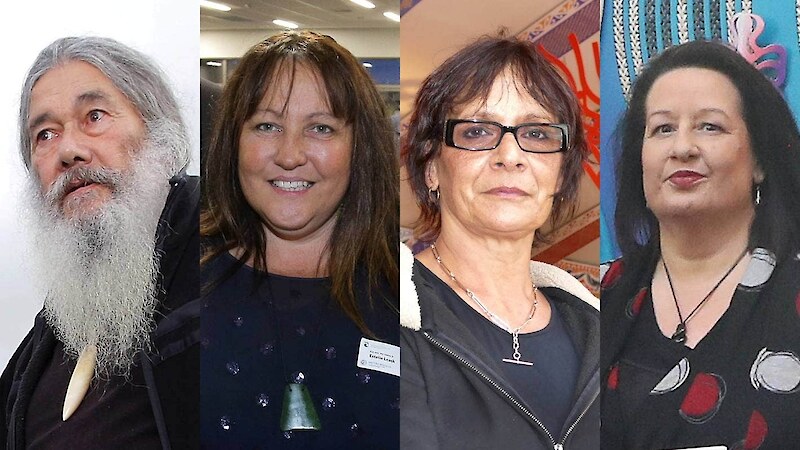
Four mana whenua representatives will be appointed to Environment Southland committees at a full council meeting on Wednesday.Mana whenua representatives Stewart Bull, Estelle Leask, Gail Thompson and Ann Wakefield will be appointed to Environment Southland committees.Mana whenua representatives Stewart Bull, Estelle Leask, Gail Thompson and Ann Wakefield will be appointed to Environment Southland committees.

Gail Thompson and Estelle Leask will be appointed to the Regional Services Committee (Rōpū Ratonga-a-Rhoe), and Stewart Bull and Ann Wakefield be appointed to Strategy and Policy Committee (Rautaki me Mahere).

A report from the council’s democracy services executive assistant Jan Brown, which will be tabled at the meeting, says the council resolved to approve the creation and appointment of two mana whenua members to the committees at a meeting in February 2019.

The appointments would further the relationship with iwi under the Charter of Understanding, and also mean the regional council would meet its Local Government Act 2002 obligations to facilitate Māori into the decision-making processes used by council, the report says.

An invitation was issued to Te Ao Mārama Inc to make nominations to these positions, and since that time it has been working through its nomination and appointment processes.

Te Ao Mārama Inc represents Ngai Tahu ki Murihiku tangata whenua for resource management and local government purposes.

The principles, key competencies and accountability requirements that were considered by council were provided to assist them with this process. Potential or interested candidates would be invited to sit in on committee meetings prior to confirming their interest, the report says.

The council’s resolution on the appointments to the mana whenua roles provides that the nominees be in place based on the triennial election cycle. Local government elections will be held in October, and at the inaugural council meeting for the next council, these appointments will need to be addressed.

Posted: 9 March 2022

Gangsta Bats! – Hokonui Rūnanga Pekapeka camp

By Tegan Ramage

Pekapeka camp at Tawanui was amazing!

Such an experience for the Kaitiaki Tauira and those from the Taiao Team.

We were very lucky to have Ian Davison-Watts (Ecologist), Matt Dale (Freshwater Ecologist) and to have both Kelsi Hayes (2nd year Environmental management at S.I.T.) and Luka Finn (3rd year Environmental management at S.I.T.) from the seed collecting team to come along.

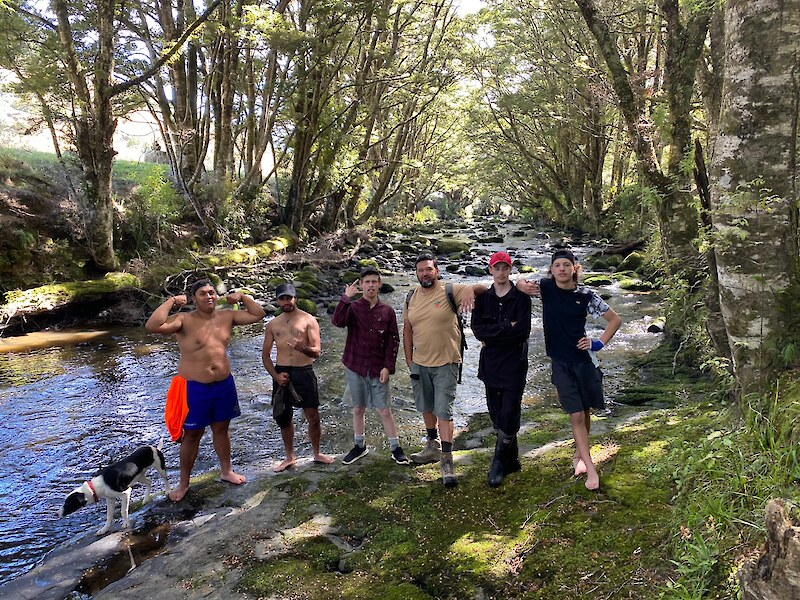
Welcome to Pekapeka camp in Tawanui (left to right) Moi Parata (Kurī), Kaloni Taylor, Raniera Smyth, Josiah Kawana, Riki Parata, Josh Aitken and Sentre Harden.Welcome to Pekapeka camp in Tawanui (left to right) Moi Parata (Kurī), Kaloni Taylor, Raniera Smyth, Josiah Kawana, Riki Parata, Josh Aitken and Sentre Harden.

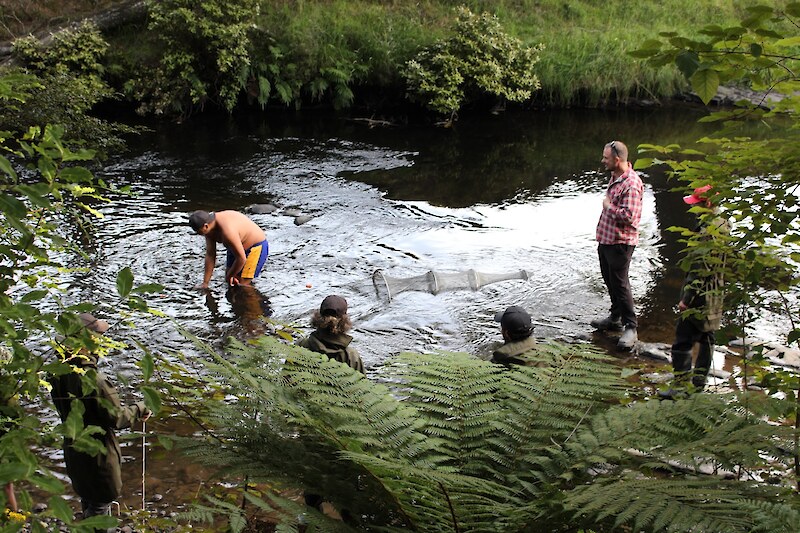
The tauira started their day off on the right foot by setting up camp and were rewarded with the fun stuff, like swimming and the setting up the hīnaki which, they were responsible for the overseeing and the monitoring. It was great to see Kaloni Taylor really getting in there, his commitment was commendable. Raniera Smyth, the self-appointed leader continued to oversee the other tauira throughout the day, making sure they were checking the hīnaki correctly or to simply ensure they hadn’t drowned during the process.

Kaloni Taylor setting the hīnaki while the other tauira watch and support.Kaloni Taylor setting the hīnaki while the other tauira watch and support.

Following this, the boys gathered around Matt to watch him dissect a trout he had caught, showing the tauira what the fish had been eating and different parts of its anatomy. As mentioned by Kaloni and Sentre Harden that the trout had eaten a “Caddis and Deleatidium fly”. The time back at camp became a real live-in environment with the boys making a fire, playing ball, making up activities, such as the competition between Josiah Kawana, Kaloni and whaea Abby the Tauira Programme Coordinator! All the rōpū made the most of their time together out in te taiao. Raniera and Josiah, being the tuakana of the group, made sure that the fire kept going all night and really tautoko their tēina.

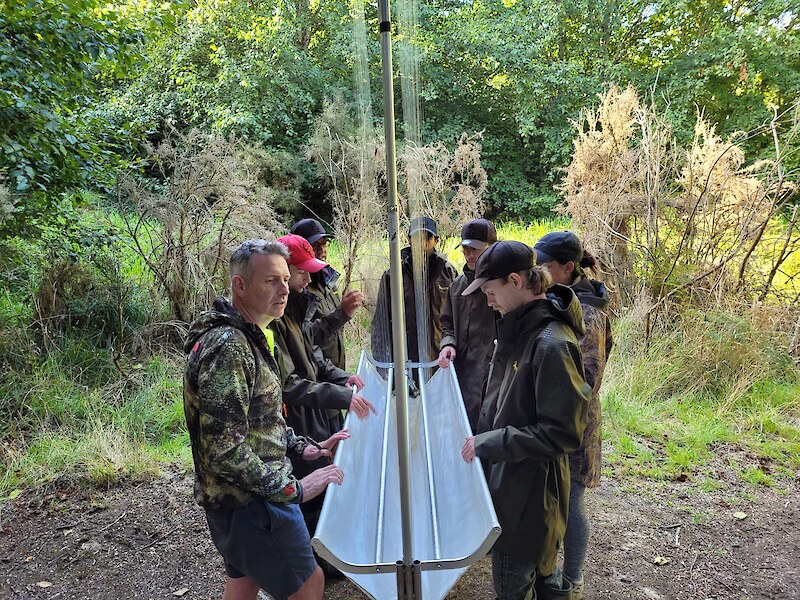
While on camp, Ian along with the tauira set Harp traps in hopes to catch and observe pekapeka-tou-roa (long tailed bats).

Ian explaining how to set up the Harp traps. The tauira helping to put these together and place them.Ian explaining how to set up the Harp traps. The tauira helping to put these together and place them.

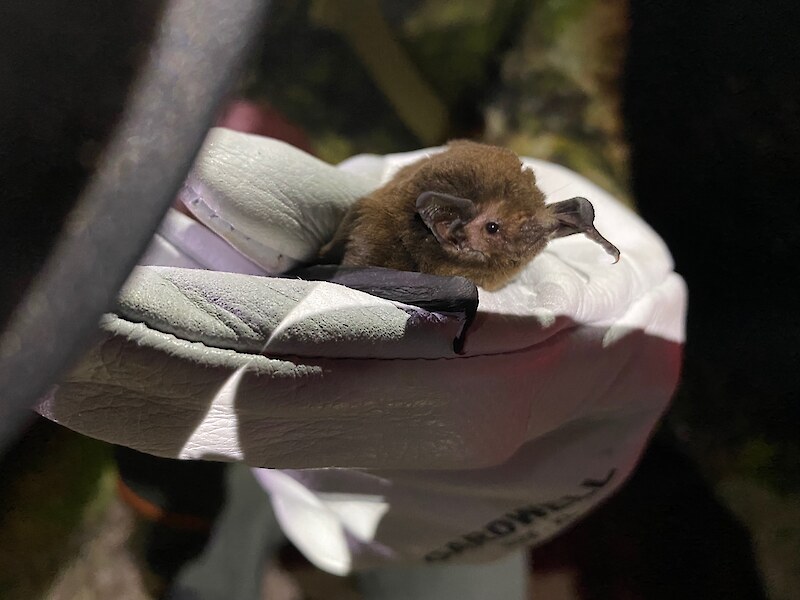
Around 11pm during our first observation round, although Ian was skeptical regarding our successfulness in securing any pekapeka. However, everybody got a kick out of being able to see not only 1, but 2 real live pekapeka in action. This was a very rare sight to see, as these bats are critically endangered.

It was cool to hear some of the kōrero from our tauira, like Sentre who said, “man that’s gangsta! They’re gangsta bats” or watching Josh Aitken taking amazing footage of the pekapeka taking flight. He was super proud to share this with the group and even mentioned that he has a passion for taking videos and photos, we could have the next national geographic photographer on our hands!Pekapeka-tou-roa (long tailed bat).Pekapeka-tou-roa (long tailed bat).

Ian explained how the gear worked and its importance to this mahi, about their wings, how they worked and the significance of the bone structure in their wings. During the other observation rounds that night, the crew saw in total 7 long-tailed pekapeka. The mahi Ian does is very important and being able to not only sight them but to see them take flight after being released was a privilege.

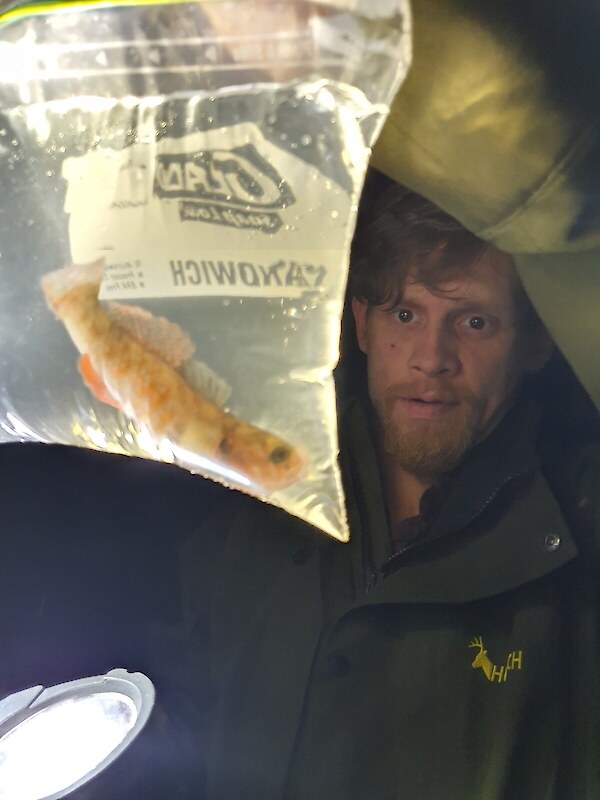
Matt Dale also took the tauira to go night spotting which led to the discovery and capture of a live Redfin Bully and Banded Kōkopu. Josiah was very interested in the discovery and helped Matt to secure and show to the rest of the rōpū.Josiah Kawana holding and showing Redfin Bully.Josiah Kawana holding and showing Redfin Bully.

The night also involved equipment which the boys were able to use, such as the thermal vision monocular. Raniera and Josh were occupied for ages, taking photos and videos through the lens using their phones. It was awesome to see them really utilise the equipment and searching out wildlife in the dark.

Overall highlights were seeing the bats first-hand, learning about he ika i roto i te awa, having the tauira being in amongst it, the knowledge we have gained from the amazing expertise on hand! As always, we thank Toitu te Whenua (LINZ) who supports and funds this kaupapa, and of course, the helpers that make this Kaupapa happen, you know who you are, thank you!

Check out the photo gallery on the Hokonui Rūnanga website for more photos!

Posted: 4 March 2022

Prev page
Page 32 of 42
Next page

Also in this section

Pānui updates Photos
  • News
    • Pānui updates
    • Photos

© 2026 Hokonui Rūnanga • Website by RS

Facebook
  • Home
  • About us
    • Who we are
    • Murihiku Regeneration
      • Structure and context
      • Office of Upoko
    • Property assets
    • Find us
    • Job vacancies
  • Our history
    • Our whakapapa - a deep connection to this place
    • Wai and Whakapapa
    • The Battle of Waitaramea
    • Poupoutunoa and Kauwaewhakatoro
    • Two Rivers: Mataura (Mata Ura) and Clutha (Mata Au)
      • Mata Ura - Mataura River
      • Mata Au - Clutha River
  • Events & key dates
    • He Ao Hou - New Futures Murihiku Teacher PD Day
    • Energy and Innovation Wānanga 2024
    • Energy and Innovation Expo 2023
      • He Ao Hou - New Futures Murihiku 22 May
      • Live Streaming of Wānanga 23 and 24 May
      • Hosts and Key Speakers 23-24 May
      • Energy and Innovation presentations - 23 May
        • Opening Addresses
        • Global Session
        • Empowering partnerships: government's role in Aotearoa's energy transition
        • Climate Economics
        • Regional Infrastructure
        • Social regeneration and innovation
        • Regional Innovation
        • The importance of the Māori economy through this change
      • Energy and Innovation presentations - 24 May
        • Regional Leadership Panel
        • Regional Plans and Priorities
        • Southern Green Hydrogen
        • Tiwai Smelter Future
        • Southland Aquaculture
        • Regional Case Studies: Decarbonisation
        • Innovation and Bluff Re-imagining
        • Confirming Priorities: wrap-up and closing
    • Science and Innovation Wānanga 2021
    • Energy, Infrastructure and Opportunities Wānanga 2026
  • Education & training
    • Education - Hokonui Rohe Team
    • Te Ara Aukati Kore - Education, Training, and Capability
      • Kia Tū Pathway Planning Programme
        • Kia Tū in schools
        • Kia Tū Tertiary Pathway Programme
        • Meet Your Kaiako - SIT Campus
      • Anamata Māia: Bold, Confident Futures Service
        • Our Kaimahi - Staff
      • Penapena Ā Kura: School Attendance Service
      • Te Aka Whai Mahi: Find Your Path
      • He Ao Hou: New Futures Murihiku
    • Have your say!
  • Environment
    • Kaupapa Taiao - Hokonui Floriculture
    • Taonga Research
      • Kanakana Research
      • Our research partners
    • Southern Ocean - Murihiku ki te Tonga
    • Energy Transition Programme
      • Regional Energy Action Plan - Towards 2030
      • Energy Transition Plan for Murihiku-Southland
      • Hydrogen and Green Energy
      • Tiwai Point
    • Te Tapu o Tāne
    • Our Kaimahi - Staff
  • Health & wellbeing
    • Whānau Ora Navigators
    • Community youth worker and advocacy service
    • Hokonui Community-Led Health
    • Kaumatua Health Days
    • Te Kakano - Nurse-led Clinics
    • Our Kaimahi - Staff
    • Hokonui Takiwā Health and Wellbeing Village of Support
    • Referral form
    • COVID-19
  • News
    • Pānui updates
    • Photos
  • Contact us
    • Register
  • Facebook
  • Search...